The Single-Stair Reform That Could Change Mid-Rise Construction In Massachusetts
On February 12, 2026, Governor Healey signed Executive Order No. 651, setting a formal study process in motion for allowing single-stair construction in mid-rise multifamily buildings above three stories. The order has moved through housing advocacy circles, but it hasn't received the attention it probably deserves in the construction trade.
What the Current Rule Requires
Massachusetts building code — under 780 CMR — requires two separate exit staircases for any residential building above three stories, or for any building with long interior corridors. It's rooted in the International Building Code (IBC), which most U.S. states have adopted.
Before modern sprinkler systems and fire-rated assemblies became standard, two staircases offered meaningful redundancy. The code was written around those conditions and hasn't been substantially revisited on this point since.
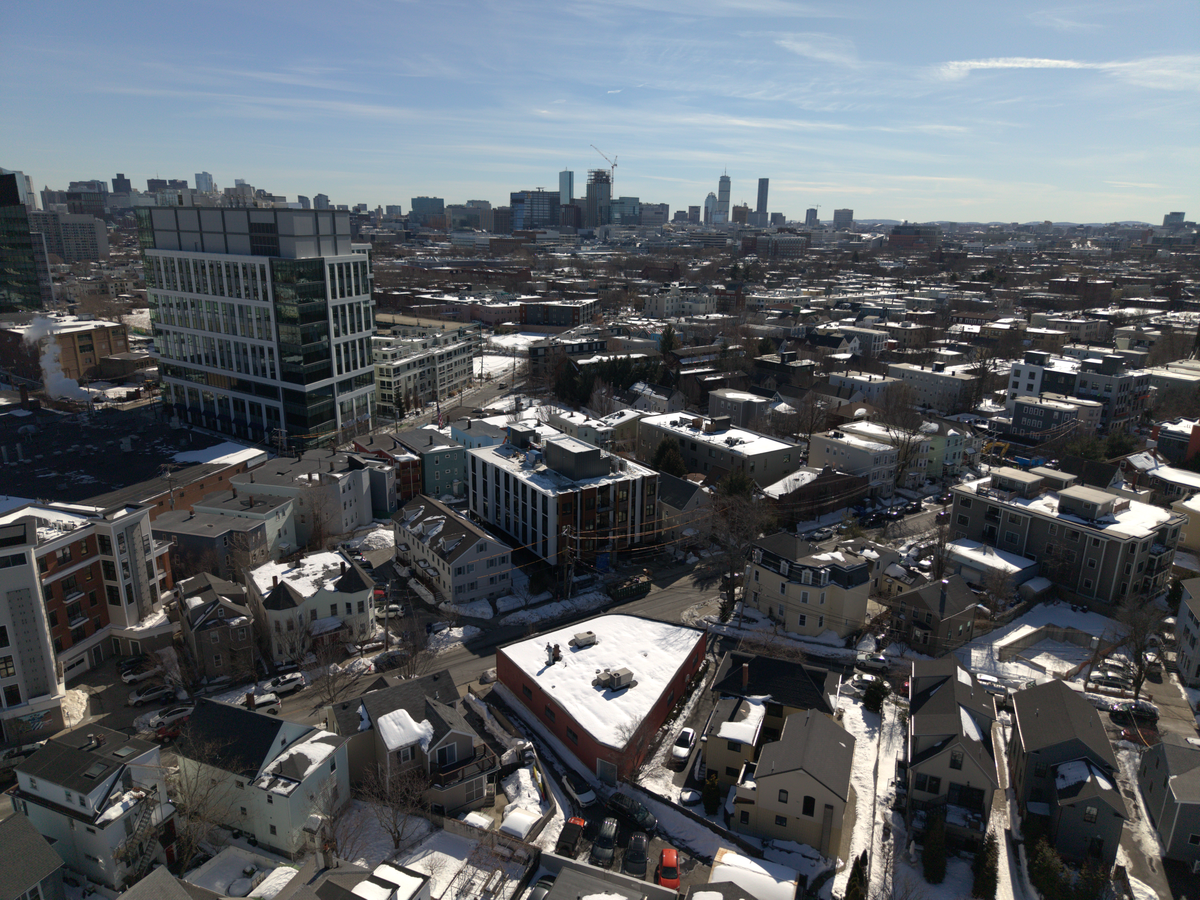
The practical effect on a narrow urban infill lot: a second staircase can consume 15 to 20 percent of the buildable footprint, often the difference between a project that pencils and one that doesn't — particularly on smaller parcels near transit stops across Greater Boston, central Worcester, and the North Shore.
What the Executive Order Does
The order creates a Technical Advisory Group — fire safety officials, building code experts, architects, accessibility advocates, and public safety professionals — tasked with studying whether, and under what conditions, single-stair construction above three stories can be safely permitted in Massachusetts. The group has 12 months to submit its recommendations to the Governor.
Worth noting: this is a study order. Whether it leads to an actual code change depends entirely on what the advisory group recommends.
The Number Worth Understanding
A 2024 study by Boston Indicators, Harvard's Joint Center for Housing Studies, and the design firm Utile estimated that single-stair reform for buildings up to six stories could unlock approximately 130,000 new housing units in Greater Boston, on roughly 4,955 underdeveloped small-to-medium parcels within three-quarters of a mile of rapid transit. Those are units that become financially feasible to build, not just theoretically permissible under zoning.
A separate Boston Indicators report from July 2026 documented that crossing from the residential code (IRC) to the commercial code (IBC), which happens at the third unit, adds at least $150,000 to a project's cost. Single-stair reform doesn't resolve that threshold problem entirely, but it directly addresses one of the most consistent design constraints on smaller infill parcels.
Other States Have Already Done This
California and Oregon passed single-stair reform legislation in 2023. Virginia enacted reform in 2024. New York passed a study directive the same year. Memphis adopted a small multifamily IBC appendix in 2025 covering three to 24-unit buildings. North Carolina moved three- and four-unit buildings into the residential code in 2025. New York City, Seattle, and Honolulu have allowed single-stair construction for certain mid-rise typologies for years.
Whether Massachusetts adopts the right safeguards, and how quickly the advisory group moves, is now the operative question.
Between Now and February 2027
The advisory group's report is due around February 2027. Any code change would then need to move through the Board of Building Regulations and Standards (BBRS) or the legislature — putting a realistic effective date somewhere in late 2027 or into 2028.
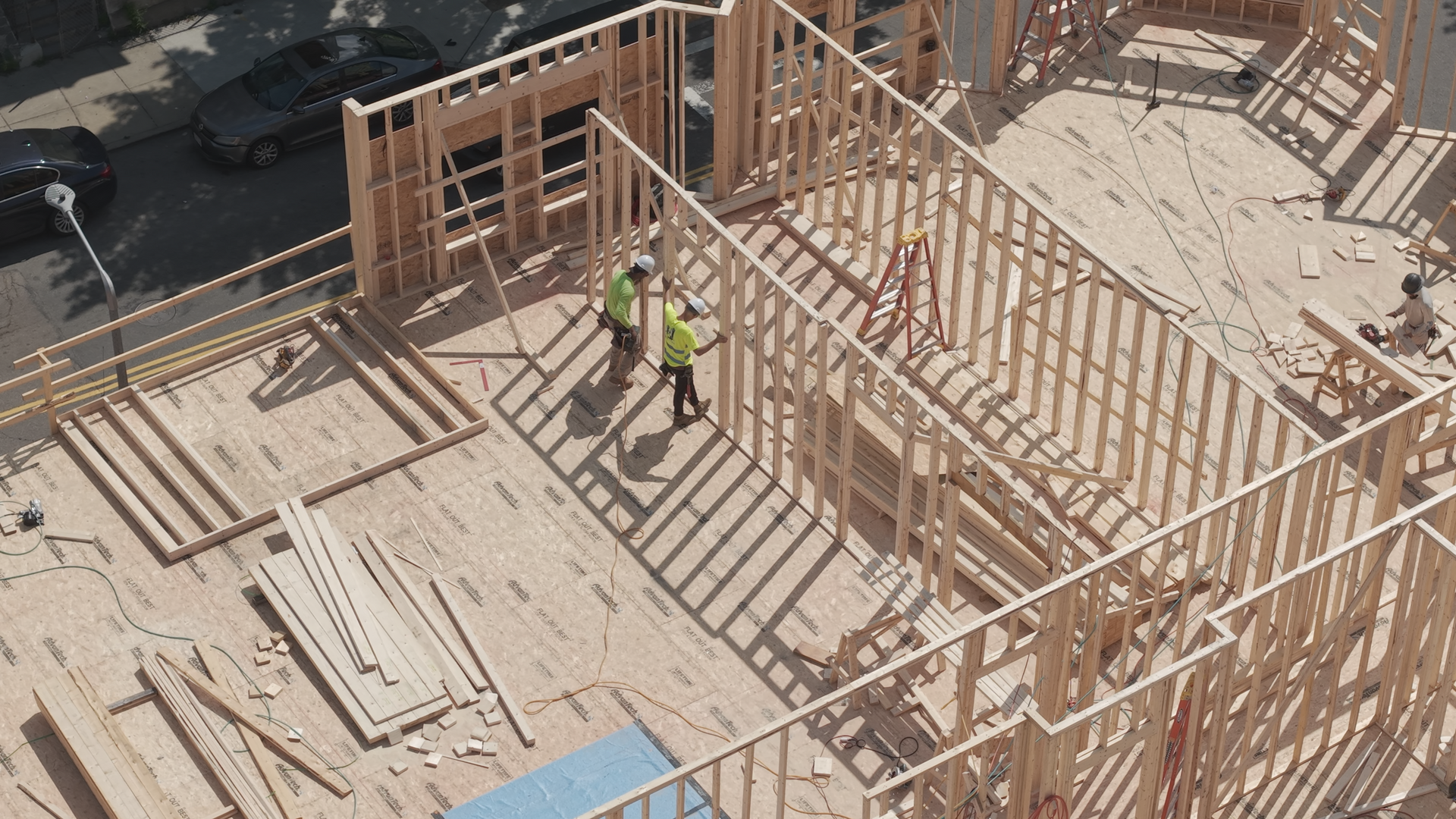
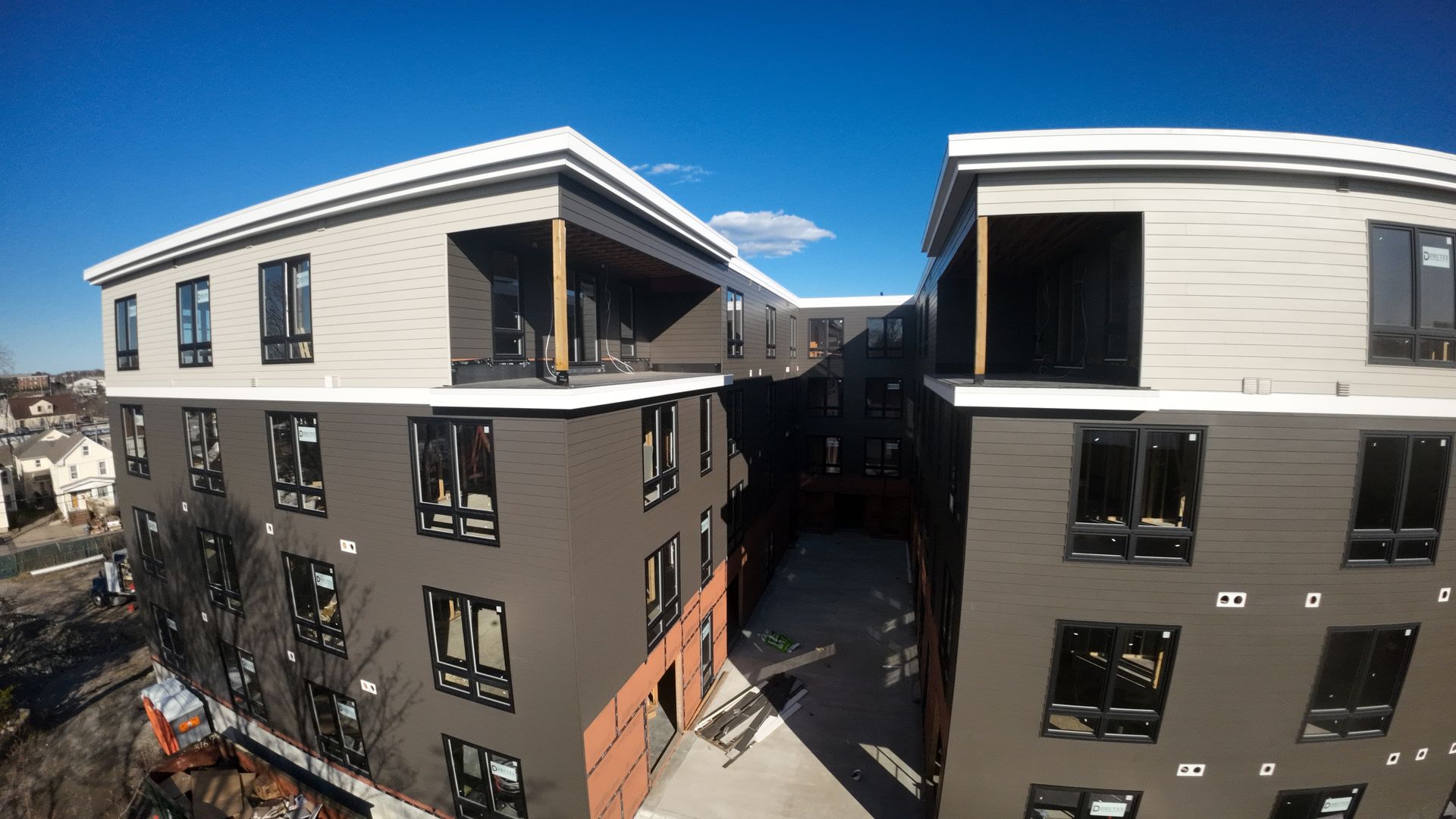
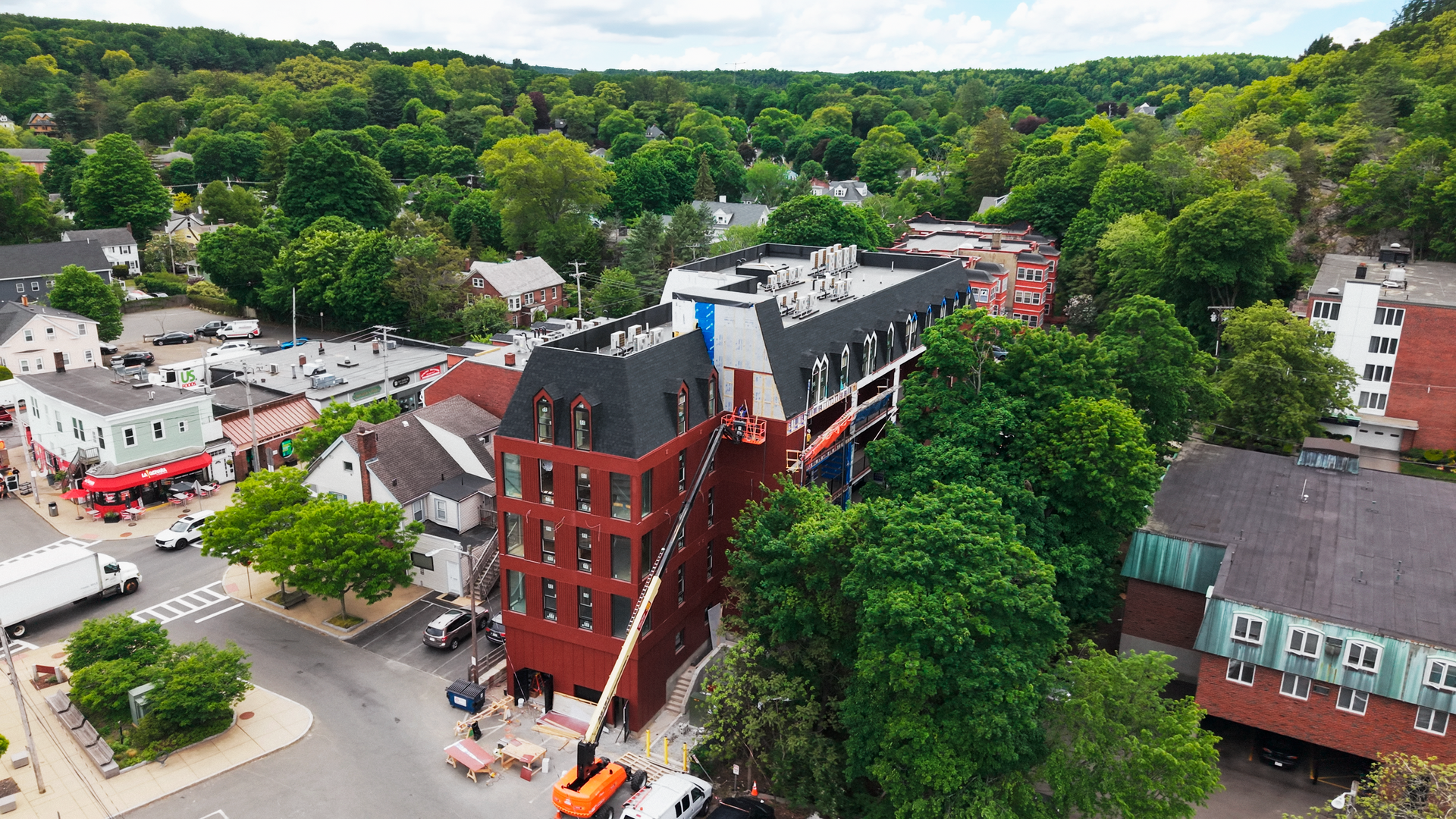
For developers evaluating infill sites near transit in Greater Boston, Worcester, or the North Shore, whether this reform happens and when is already a meaningful variable in land acquisition decisions. For general contractors working on mid-rise residential, single-stair approval for buildings up to six stories opens a category of project that currently doesn't get built: wood frame, Type III or Type V construction, four to six floors, on sites that today are considered too constrained to develop viably.
Where This Lands
The advisory group may recommend a conservative path, and the fire safety concerns being raised are legitimate — a reform that creates real safety problems would set housing production back more than it advances it. The Massachusetts firefighters' unions have already signaled opposition, and that voice will be part of the advisory process.
What's clear is that the policy conversation is now formal and on a defined timeline. States that have moved on this have seen real production follow. Massachusetts is at least now asking the same question, with the right people in the room. Whether you're planning a project for 2027 or 2028, that's worth factoring in.
If you're working on mid-rise residential projects in Massachusetts,
Lifetime Contractors is ready to talk. Reach out today.