Innovation inside materials and techniques shaping modern exterior construction
Exterior construction has entered a phase where innovation is no longer limited to aesthetics or surface-level upgrades. Today, materials and installation techniques are evolving to deliver better performance, longer lifespans, and more predictable outcomes for complex projects. For developers and general contractors planning high-end residential, commercial, or mixed-use developments, staying ahead of these advancements is becoming a competitive advantage rather than a nice-to-have.
Modern exterior systems are now designed to work as integrated assemblies, combining cladding, moisture control, ventilation, and structural efficiency in ways that improve durability while simplifying execution. These innovations are changing how buildings are planned, built, and maintained, especially in markets where performance, sustainability, and long-term value are part of the decision-making process.
Composite siding and engineered cladding systems
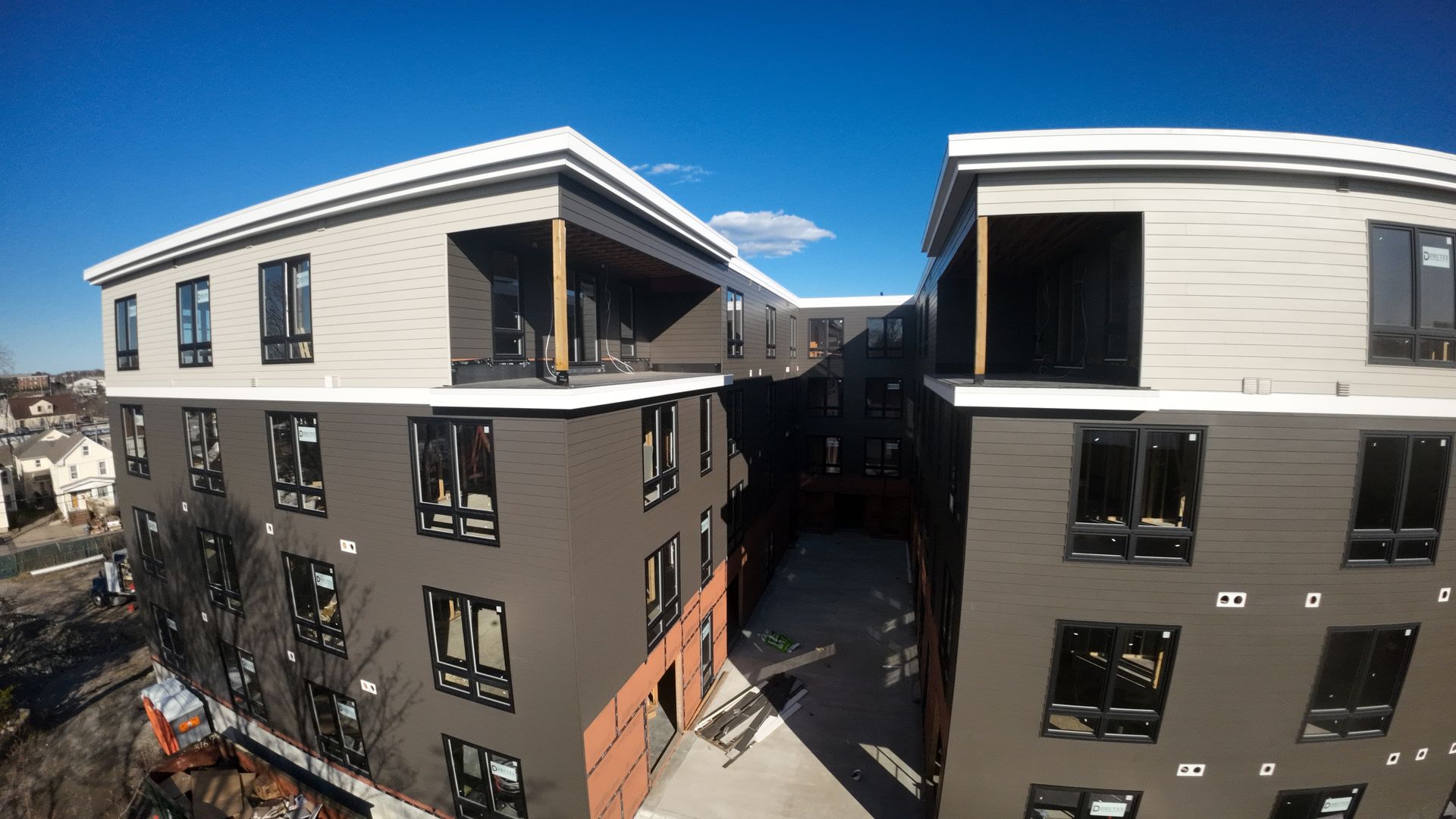
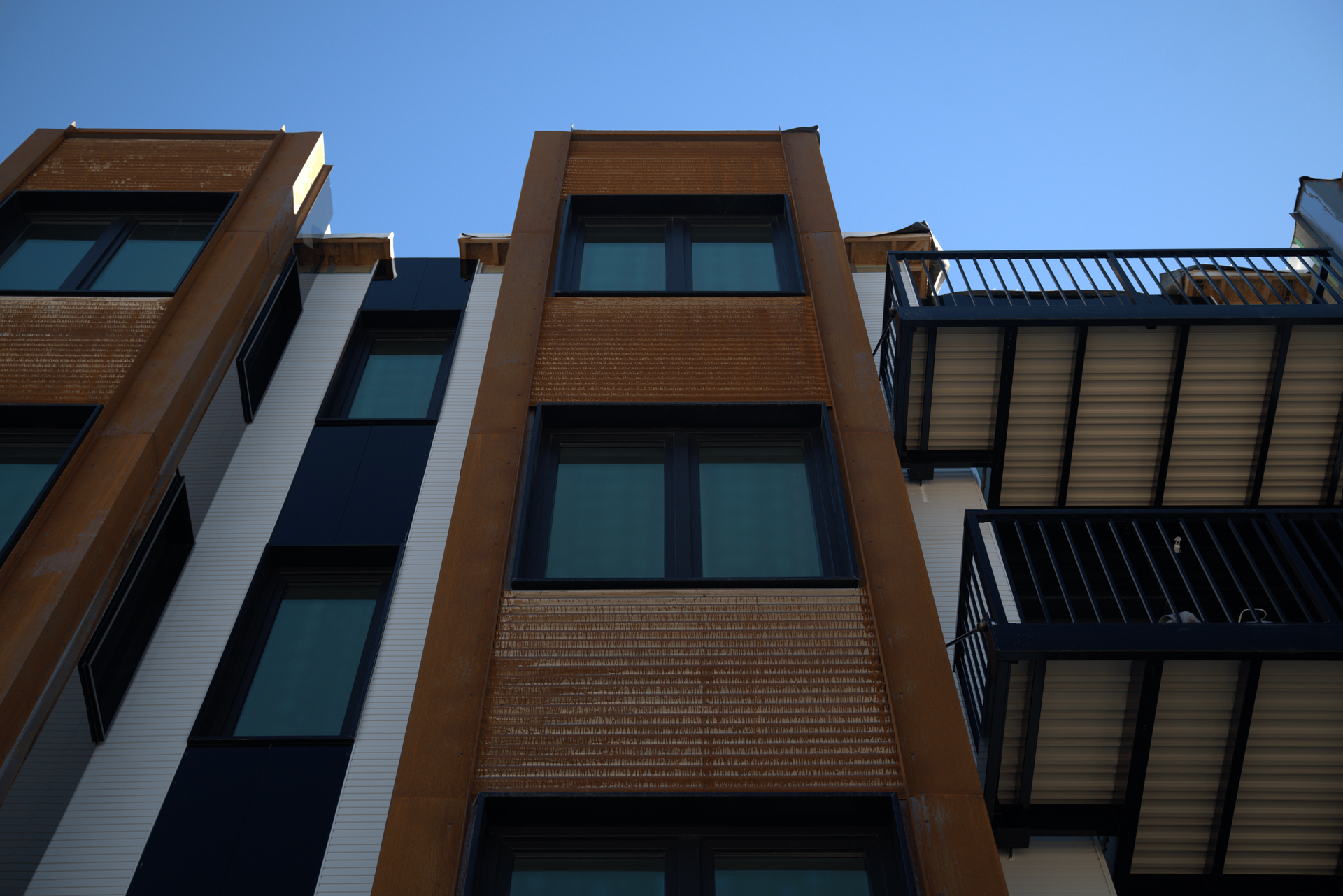
One of the most significant shifts in exterior construction has been the growing adoption of composite and engineered siding materials. These products are designed to outperform traditional wood-based cladding by offering greater resistance to moisture, temperature fluctuations, and biological degradation, while maintaining a refined architectural appearance.
Composite siding systems provide dimensional stability, meaning they are less prone to warping, swelling, or cracking over time. This consistency simplifies installation, improves alignment, and reduces callbacks related to material movement. For large-scale projects, these advantages translate directly into efficiency, because predictable materials reduce jobsite adjustments and long-term maintenance concerns.
From a developer’s perspective, these systems support both performance and brand perception, since buildings retain their intended appearance longer and require fewer interventions as they age.
Advanced moisture barrier and air control systems
Innovation in exterior construction is not limited to what is visible. Behind the cladding, moisture barrier and air control systems have seen major advancements, becoming more integrated, durable, and reliable than earlier generations of building wraps and membranes.
Modern barrier systems are designed to manage water, air, and vapor simultaneously, reducing the risk of condensation, mold growth, and energy loss. These systems work best when installed as part of a coordinated assembly, rather than as isolated layers added by different trades at different times.
Improved membranes and flashing solutions allow for tighter building envelopes, better indoor comfort, and stronger protection against moisture intrusion. For general contractors, this reduces the likelihood of envelope-related failures that often surface years after project completion, protecting both the building and the reputation of those involved.
Ventilated rainscreen assemblies
Ventilated rainscreen systems are increasingly being specified in high-performance projects, particularly where durability and moisture management are critical. These assemblies introduce a controlled air gap between the cladding and the structural wall, allowing moisture to drain and dry more effectively.
Rainscreen systems improve the longevity of exterior materials by reducing prolonged exposure to trapped moisture. They also enhance thermal performance and contribute to more stable interior conditions. While they require precise planning and execution, their long-term benefits often outweigh the added complexity.
For projects focused on quality and resilience, rainscreens represent a shift toward proactive performance rather than reactive maintenance.
Installation techniques that maximize performance
Innovative materials only deliver their full value when installed correctly. Modern exterior construction places greater emphasis on sequencing, coordination, and precision to ensure that each system performs as intended.
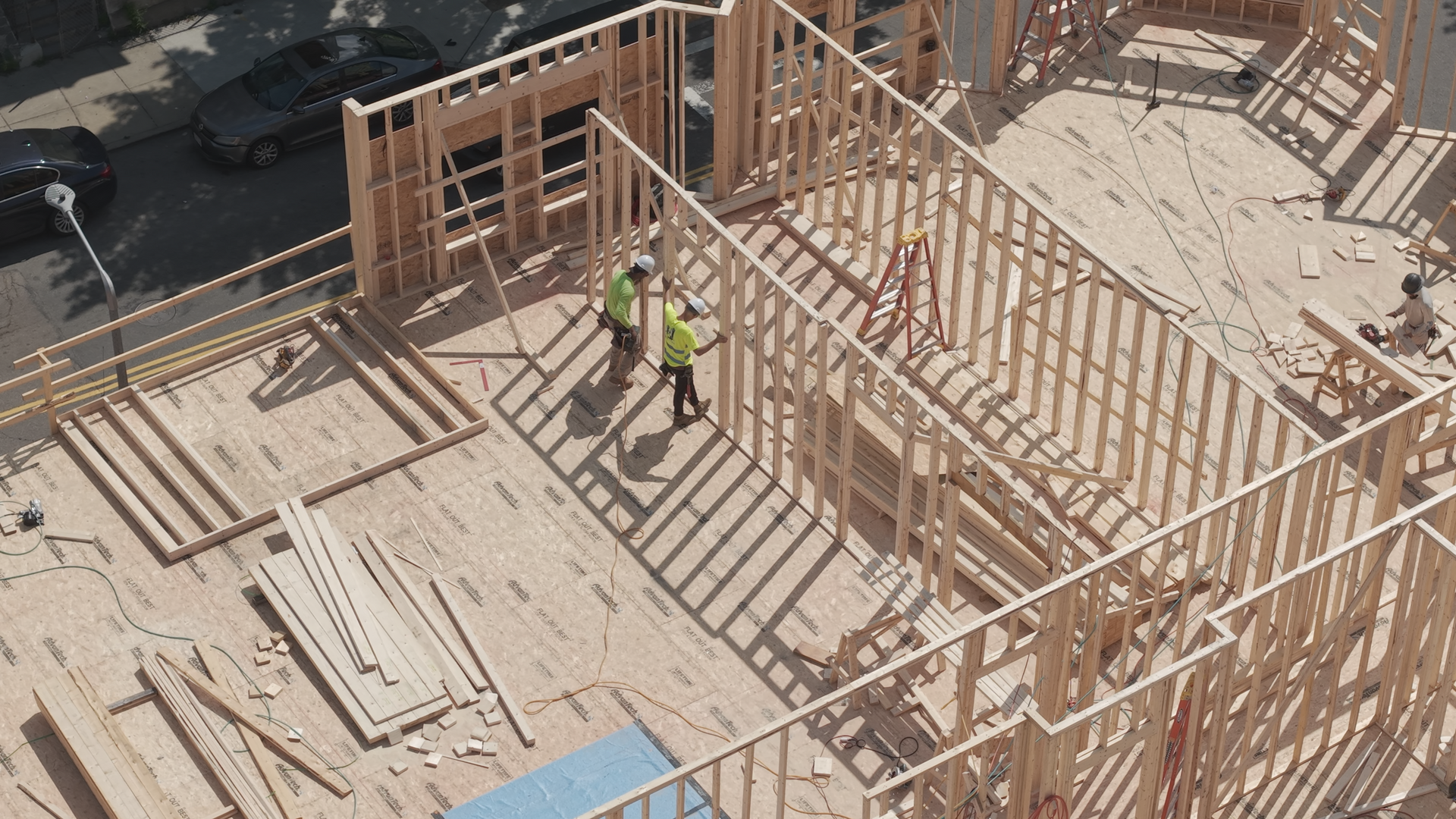
Installation techniques now focus on integration rather than isolation, ensuring that framing, insulation, moisture control, cladding, windows, and roofing work together as a unified envelope. This approach improves efficiency during construction and enhances long-term building performance.
For general contractors, working with teams that understand these techniques reduces friction between trades and supports smoother project execution.
Innovation as a strategic asset
For developers and construction firms, adopting modern exterior materials and techniques is not simply about keeping up with trends. It is about delivering buildings that perform better, last longer, and reflect thoughtful decision-making.
Projects that incorporate advanced systems tend to experience fewer envelope-related issues, lower maintenance costs, and stronger occupant satisfaction. Over time, these outcomes reinforce trust and credibility in the market.
Innovation, when applied with expertise, becomes a strategic asset that supports both operational success and long-term reputation.
Lifetime Contractors and forward-thinking execution
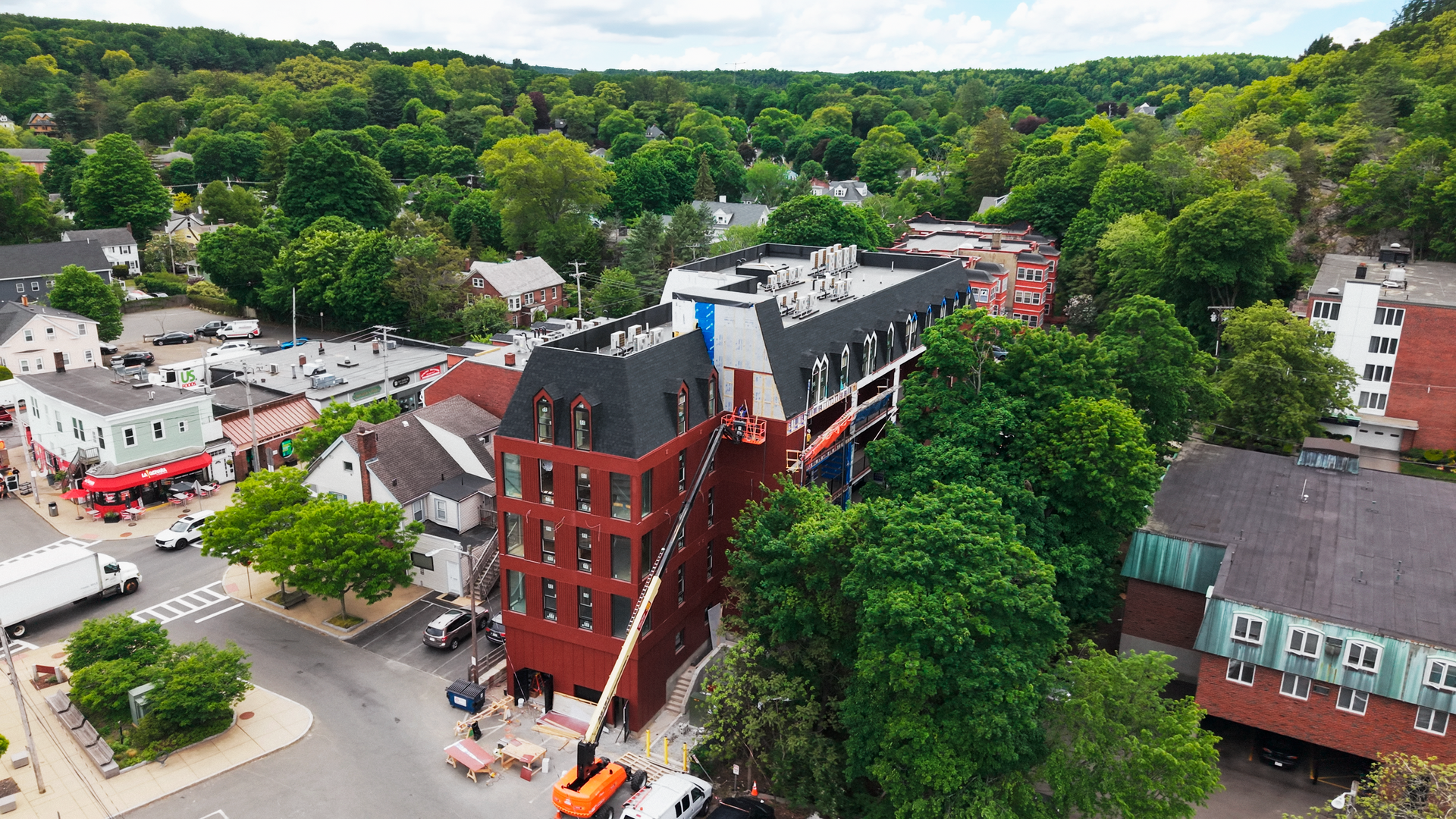
Lifetime Contractors brings hands-on experience and technical understanding to the installation of modern exterior systems, including composite siding, advanced moisture barriers, rainscreen assemblies, and integrated facade solutions.
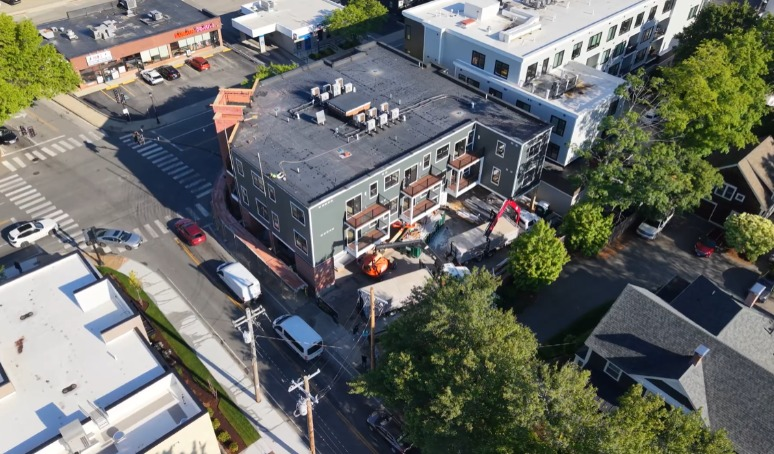
With over ten years of experience working alongside developers and general contractors, Lifetime Contractors understands how innovative materials and techniques fit into real-world construction workflows. Their teams are fully insured, OSHA 10 and OSHA 30 trained, and experienced in delivering exterior assemblies that meet high performance and quality expectations.
For projects where modern exterior solutions are part of the vision, Lifetime Contractors is available to collaborate, evaluate system options, and execute installations with precision, helping ensure that innovation translates into lasting value.