Reflecting on 2025 and ready for 2026: A message to our partners

Hemilly Gomes • December 31, 2025

In 2025, Massachusetts continued to demonstrate strong momentum across the construction landscape. The year brought steady growth, new development activity, and a market increasingly focused on efficiency, performance, and long-term value. As demand evolved, so did project expectations, and the industry as a whole continued moving toward higher standards in scheduling, coordination, and exterior envelope performance.


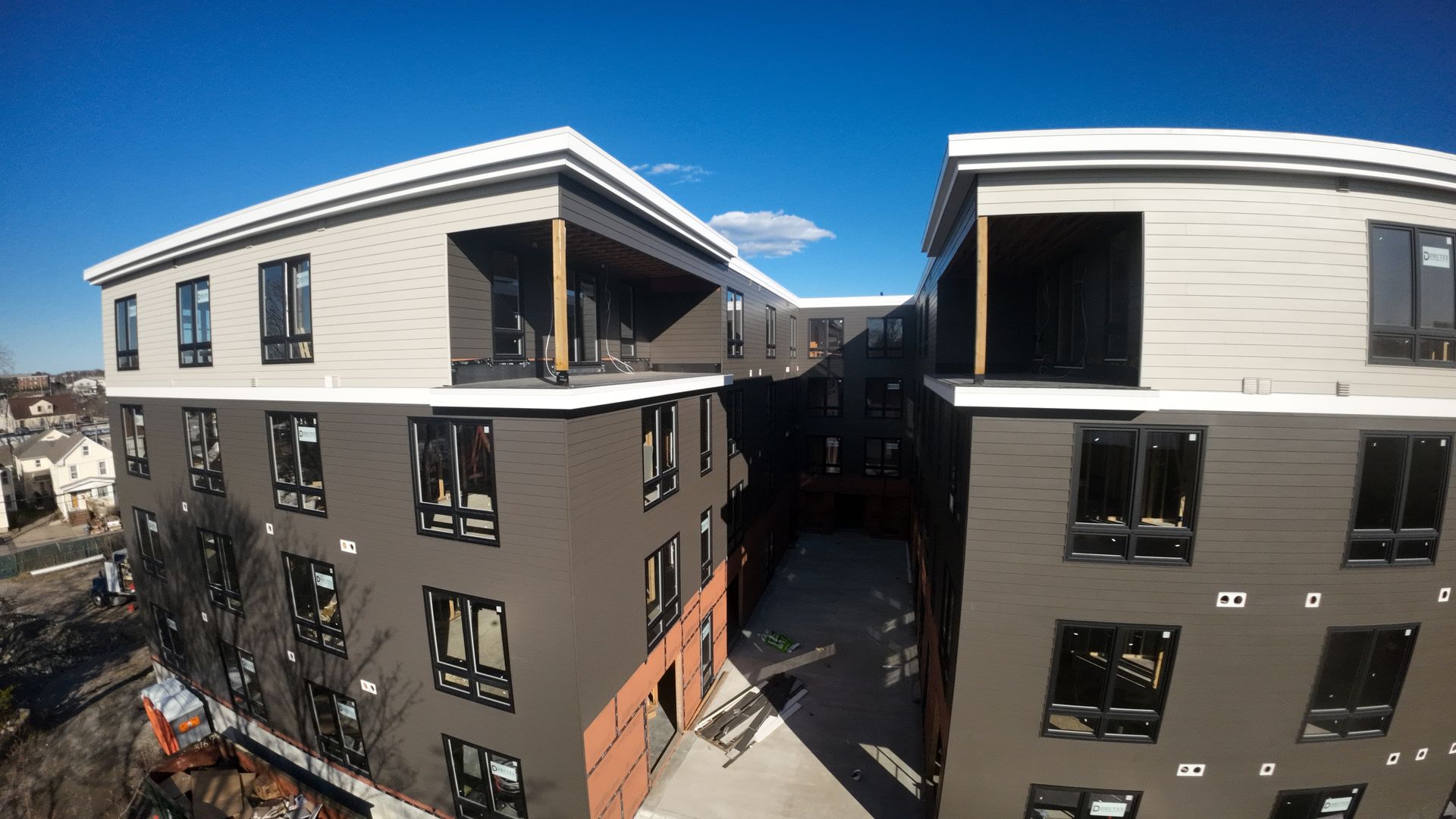
Within this environment, Lifetime Contractors is proud to have contributed by supporting general contractors and developers with dependable execution in wood framing, siding, roofing, decking, and complete weather-tight shell delivery.


Honoring the partnerships that shape our work

As we close out the year, it’s a natural moment to reflect on the relationships that drive our mission forward.


For us, that means the general contractors, developers, site teams, architects, and project managers who rely on Lifetime Contractors as a trusted component of their construction strategy.


We are grateful for our long-standing partners who continue to choose our team year after year, and equally appreciative of the new collaborations formed throughout 2025. 


2025 project highlights

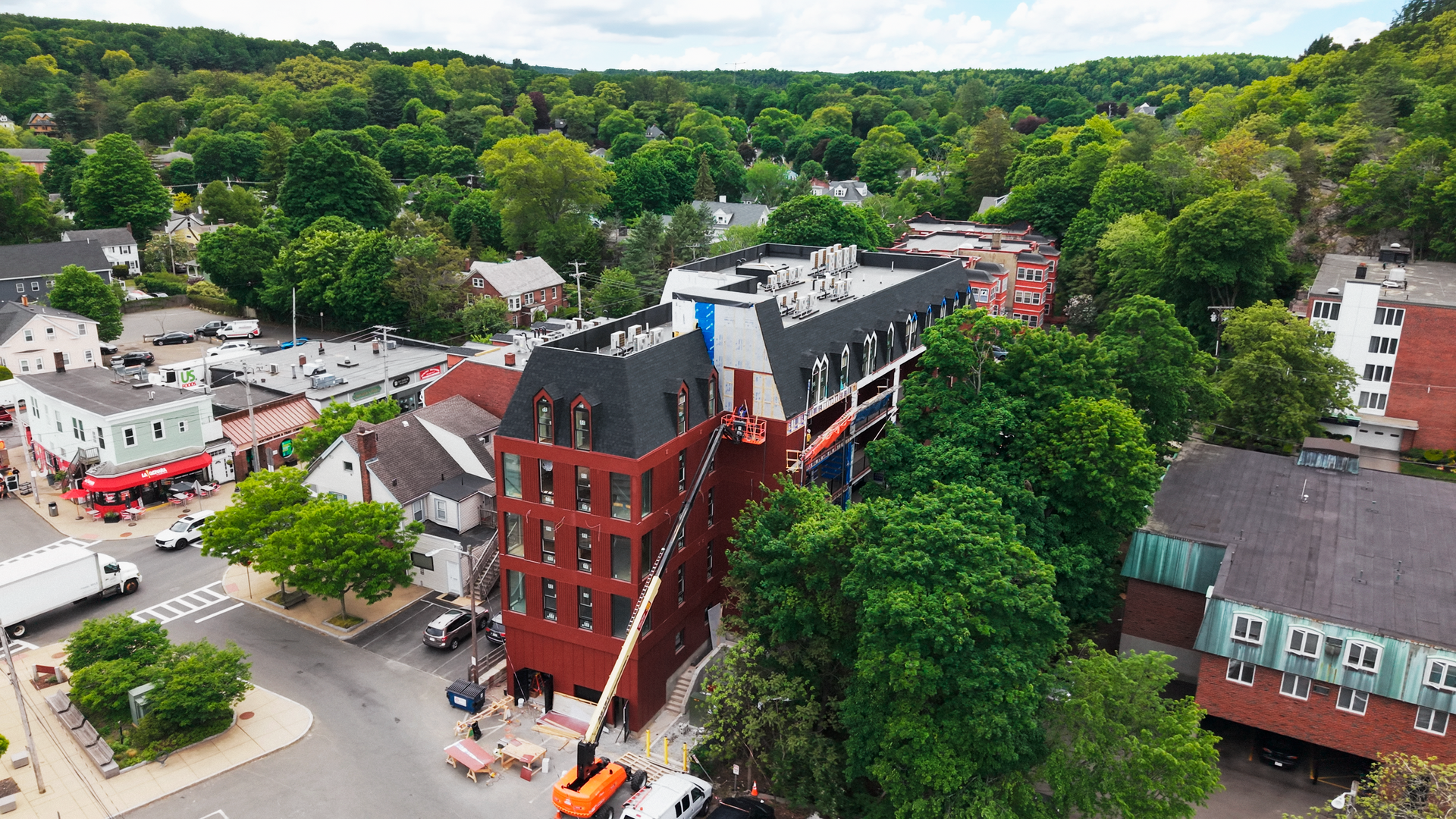
Throughout 2025, Lifetime Contractors supported a wide range of developments across Massachusetts, delivering high-performance shells with speed, structure, and consistency. 


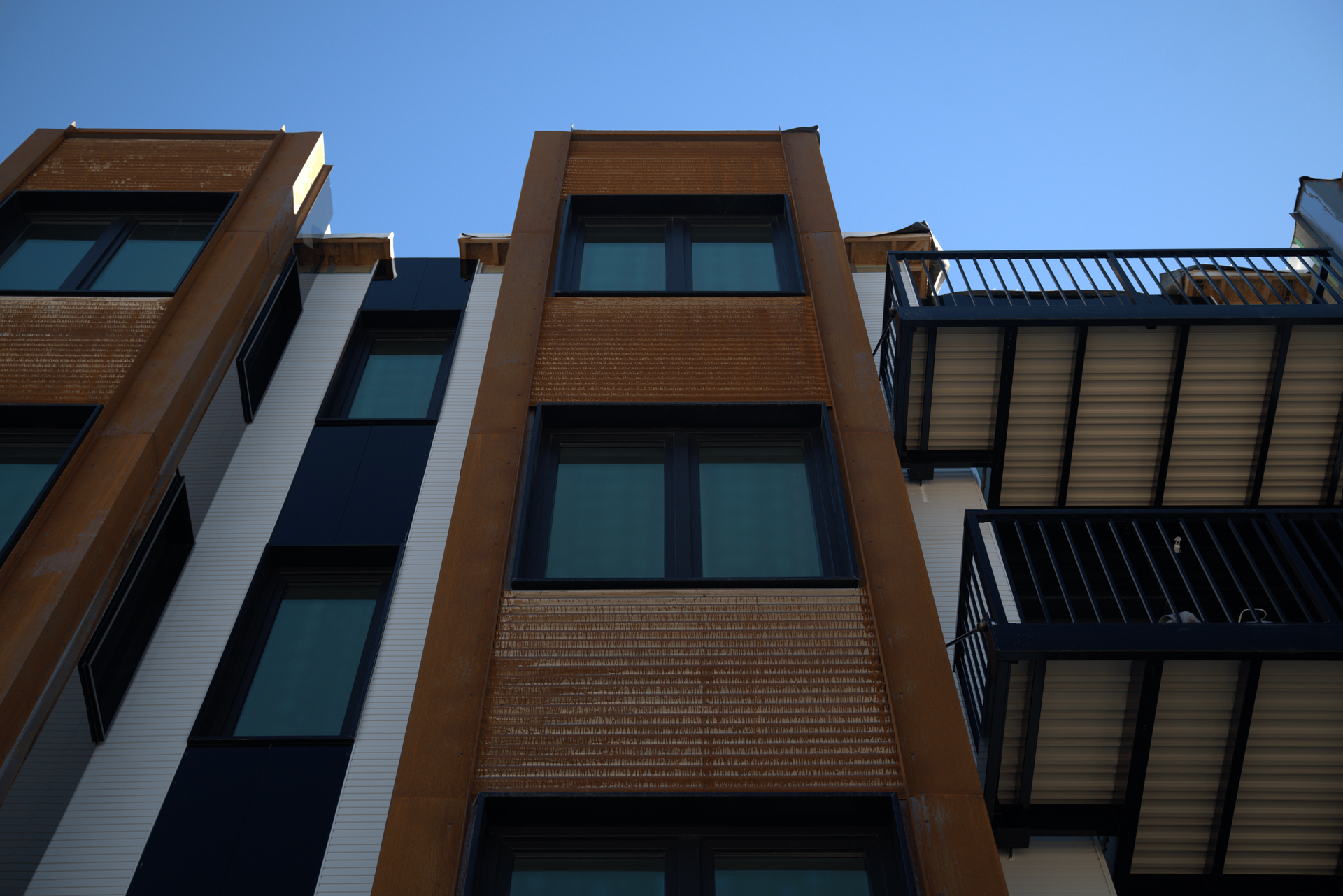
From large-scale multifamily framing to complex siding systems, our teams were trusted to execute scopes that included roofing, decking, WRB, and full weather-tight envelope delivery. 


We approached each job with clear communication and a commitment to quality. We’re proud to have contributed to these projects and thankful to every general contractor and developer who brought us on board.


Looking ahead to 2026

The outlook for 2026 is strong, with both private and public sectors signaling continued development activity. Opportunities in multifamily, mixed-use, and public infrastructure are expanding, and the market remains optimistic about the coming years.


As project timelines become increasingly dependent on skilled manpower and efficient coordination, Lifetime Contractors has strengthened its team and refined its delivery process to meet the demands of the new season. Whether it’s framing, siding, roofing, decking, or complete building envelope delivery, our focus remains unchanged: schedule integrity, safety, and consistent field execution.


Thank you, from our entire team

As 2025 wraps up, we feel proud and deeply grateful.


To our clients: thank you for trusting us with your schedules, your scopes, and your expectations.


To our partners in the field: thank you for the clarity, collaboration, and professionalism you bring to every job.


To our team: your dedication, precision, and discipline continue to define the strength of this company.


We are excited for what’s ahead. Here’s to strong builds, stronger partnerships, and another year of doing it right.


By Hemilly Gomes January 19, 2026
Every construction project begins well before materials arrive on site, and its impact continues long after the final inspection is signed off, shaping outcomes that extend far beyond schedules, budgets, and technical checklists. For developers, general contractors, and large construction firms, a project is never just a building, because it becomes a reflection of planning, judgment, and standards that will ultimately define how that company is perceived in the market. In construction, reputation is rarely built through branding or promotion alone. It is formed through lived experience, repetition, and memory, created by the people who live, work, and move through the spaces you deliver. The quality of a project, both in what is visible and in what remains behind the walls, becomes an asset that carries your name long after construction is complete. That is why craftsmanship, planning, and execution are not simply operational considerations, they are long-term strategic decisions. Every decision leaves a lasting impression From the earliest planning stages, the choices made on a project begin shaping its long-term value. Material selection, crew experience, coordination between trades, and the consistency of execution all influence how a building performs and how it feels to the people who occupy it every day. Developers and general contractors understand that materials are never just line items. Choosing products that stand up to moisture, mold, temperature swings, pests, and long-term wear affects not only durability, but also future maintenance costs, occupant comfort, and the overall integrity of the structure as it ages. The same logic applies to the teams brought onto a project. Framing crews, insulation installers, siding professionals, roofers, deck builders, HVAC teams, plumbers, and electricians are all contributing to a shared outcome. Each decision about who performs that work influences how well systems integrate, how smoothly the project moves forward, and how few issues surface once the building is in use. When teams are selected for experience, training, and reliability, rather than speed alone, the difference shows up in quieter buildings, tighter envelopes, cleaner finishes, and fewer problems down the road. Planning that supports long-term performance Strong planning does more than meet code requirements or pass inspections. It considers how people will use the space, how the building will respond to real-world conditions, and how it will perform year after year. Thoughtful layouts improve flow and usability in both residential and commercial environments. Exterior assemblies designed with care help manage moisture, thermal performance, and durability. Material choices that balance function and aesthetics contribute to buildings that feel intentional rather than temporary. While these decisions may seem abstract during construction, they become very real in daily life. People notice when spaces feel comfortable, when maintenance issues are rare, and when buildings age gracefully instead of showing early signs of wear. Over time, those experiences shape perception, and perception shapes reputation. The role of beauty and quality of life In construction, beauty is sometimes treated as secondary, yet its impact is deeply practical. Well-designed and well-built spaces influence mood, productivity, and how people care for their surroundings. Environments that feel cohesive and thoughtfully executed tend to be respected and maintained more carefully by the people who use them. When materials align properly, finishes feel intentional, and systems work quietly in the background, occupants associate those outcomes with quality. That association does not stay limited to the building itself. It extends to the developers, contractors, and construction teams responsible for delivering it. Projects that balance function, durability, and visual appeal often become reference points, shaping how future clients evaluate similar work. Execution and its compounding effect on reputation In construction, reputation builds gradually and compounds over time. Each project adds another data point to how a company is known within the industry and among end users. Firms recognized for careful planning, reliable execution, and consistent results tend to attract stronger partnerships, more complex opportunities, and long-term relationships built on trust. On the other hand, projects that prioritize short-term savings at the expense of quality often carry hidden costs, including higher maintenance, early material failure, and reputational damage that can follow a company for years. Execution becomes a quiet but powerful signal of values, one that speaks long after a project is delivered. Where Lifetime Contractors add value Lifetime Contractors understands that construction success is measured not only by completed scopes, but by how well those scopes support the overall vision of the project. With more than ten years of experience in the construction market, Lifetime Contractors works closely with developers, general contractors, and construction firms who value precision, coordination, and accountability. Their teams are fully insured, OSHA 10 and OSHA 30 trained, and experienced in delivering framing and exterior services that integrate smoothly into larger project plans. This experience allows Lifetime Contractors to understand how their work affects other trades, project sequencing, and the final perception of the building. Strong framing supports better insulation performance, accurate exterior work protects long-term durability, and careful execution contributes to spaces that function well and maintain their value over time. Reputation is built across every project In construction, reputation is earned through consistency. It is shaped by the decisions made at every stage of a project, from planning and material selection to execution and final delivery. For developers and contractors planning new projects, the focus extends beyond completing the build. It includes how the project will be remembered by the people who use it and by the partners who helped bring it to life. Choosing experienced teams, durable materials, and execution-driven partners strengthens not only the project itself, but also the long-term reputation of everyone involved.  Lifetime Contractors is available to support projects where quality, experience, and thoughtful execution matter, offering collaboration, insight, and reliable delivery for teams who understand that what they build today shapes how they are known tomorrow.
By Hemilly Gomes December 22, 2025
The Massachusetts construction industry never stands still, and as we close out 2025, one thing is obvious: the companies that stay organized, communicate clearly, and deliver consistent results are the ones shaping what comes next. With tighter schedules, labor shortages, evolving codes, and financing pressure, every builder, GCs, developer, and subcontractor is being pushed to rethink how projects get planned and executed. A market facing real pressure If you work in the Massachusetts construction industry, you’ve felt the shifts firsthand. Jobs are more complex, timelines are shorter, and coordination matters more than ever. Heading into 2026, several trends are expected to define the year, reshaping how teams communicate, plan, and deliver across the state. Persistent pressure on housing supply, especially around Greater Boston Growing demand for multi-family and mixed-use developments Increased focus on reliability, scheduling, and strong field management A need for partners who solve problems instead of creating them Deeper collaboration between lumber yards, framers, and GCs to keep jobs on track When one trade performs, the whole project wins Anyone in construction understands the ripple effect on a project: one missed delivery becomes a few days’ delay. One unclear update disrupts multiple trades. One inspection issue can stall an entire floor. And because the Massachusetts construction industry operates within tight weather windows, dense job sites, and strict codes, that ripple effect hits even harder. That’s why high-performing trades make such a difference, as a clean frame, predictable schedule, and proactive communication set the tone for every team that follows. When one trade excels, the whole job benefits. Why organization and communication shape successful builds The future of the Massachusetts construction industry belongs to the subcontractors and builders who overcommunicate, anticipate challenges, and keep jobs moving even when external pressures hit. Competencies important to follow: Plan ahead Protect timelines Coordinate clearly with suppliers and site leads Maintain transparent communication Staff jobs with trained, dependable crews Step in with solutions Lifetime Contractors’ mission for 2026 At Lifetime Contractors Inc, our reputation comes from being the team you want on every job: organized, reliable, and easy to work with. Our mission stays focused and practical: Raise the standard Our OSHA-trained crews show up prepared, build with precision, and maintain safe, efficient worksites. Working with transparency Clear updates, transparent scheduling, and straightforward communication keep projects moving. When you work with us, you always know what’s happening and what comes next. Overcommunicate Construction moves fast, and if something changes, you hear it immediately. Early communication prevents delays and keeps every trade aligned. Hit schedules Protecting your timeline is our priority. We plan ahead, coordinate closely, and eliminate avoidable slowdowns so your job stays on track. Be the partner that makes projects easier Our team arrives organized, solutions-driven, and ready to support GCs, lumber yards, and other trades so the whole project wins. A stronger year through collaboration Developers, lumber yards, GCs, and framers increasingly need tighter alignment to handle supply challenges, inspection delays, and shifting schedules. With the right partners, these challenges become manageable, even predictable.  Every detail we execute contributes to the communities we’re all helping shape. At Lifetime Contractors, we’re ready for the next chapter, ready to raise the standard, support our partners, and deliver results that move this industry forward.
By Hemilly Gomes December 11, 2025
Choosing the right siding contractor is one of the most important decisions you’ll make in any development project. Good siding protects the building envelope, enhances curb appeal, boosts energy efficiency, and plays a major role in long-term durability. It requires a skilled, experienced, and properly trained contractor who understands both the material and the needs of your development. With so many contractors out there, how do you know which one is the right fit? What should you look for before signing a contract? And how do you protect your project from unnecessary risks? 1. Look for a fully licensed and fully insured siding contractor For development projects, this level of protection is even more critical. With more workers, more moving parts, and larger budgets at stake, you need a siding contractor who shows up prepared and compliant. If a contractor cannot provide proof of insurance immediately, that's a red flag. A fully insured company signals professionalism, accountability, and long-term stability. It also shows they take their craft and your investment seriously. For development projects, this level of protection is even more critical. With more workers, more moving parts, and larger budgets at stake, you need a siding contractor who shows up prepared and compliant. 2. Check their experience with development projects Some siding contractors specialize in one-off residential homes, while others have the skill set and structure to support multifamily or commercial developments. If you're building a 30-unit project or renovating a commercial property, you need a siding contractor who understands: Timelines and construction sequencing on development-scale builds Coordination with general contractors, and other trades The importance of keeping the building envelope on schedule Material lead times, delivery logistics, and storage requirements Compliance with local and state construction codes 3. Prioritize siding contractors with OSHA-certified teams Safety is a reflection of how a contractor operates every single day. A siding contractor with OSHA-10 and OSHA-30 trained workers brings safer job sites, fewer delays, lower risk of accidents, better compliance with inspectors, and higher overall project efficiency. Safety-trained crews tend to work cleaner, faster, and more consistently. They understand how to navigate ladders, scaffolds, lifts, and roofing transitions safely and efficiently. For a development project with strict scheduling and multiple subcontractors onsite, this level of professionalism makes all the difference. 4. Evaluate their craftsmanship and material knowledge A great siding contractor understands how different materials perform and what each building type requires. Ask whether they have experience with fiber cement siding, vinyl siding, composite or engineered wood siding, metal or architectural panel systems, waterproofing, flashing, and building envelope integration. Proper installation matters just as much as material selection. Even the best siding can fail if a contractor doesn't understand moisture management, thermal movement, air barriers, and best practices for fastening and sealing. 5. Look for professionalism throughout the entire process The best siding contractors demonstrate professionalism long before they ever step on the jobsite. You can evaluate this by noticing how they: Communicate Provide documentation Answer questions Handle scheduling Explain the scope of work A contractor who is organized, transparent, and responsive before you hire them will likely be the same throughout the project. Development work requires predictability, coordination, and discipline. Make sure the siding contractor you choose reflects those same values. 6. Choose a contractor who understands weather conditions and local requirements Especially in New England, where buildings face snow, wind, salt exposure, humidity, and temperature swings, your siding contractor must understand how to install materials for durability in harsh conditions. A contractor who understands local weather challenges will help protect your building envelope for years to come. Look for someone who can explain: Proper flashing techniques Moisture management Air sealing Recommended products for your climate Maintenance expectations 7. Why the Right Siding Contractor Protects Your Development The siding contractor you choose directly affects the lifespan of your exterior, your energy efficiency, your building envelope performance, your long-term maintenance costs, and your overall return on investment. Siding issues are expensive to fix later. Choosing a qualified siding contractor ensures your development is protected from the start. Why Lifetime Contractors is the right choice for your next development Lifetime Contractor brings the experience, training, and craftsmanship that development-scale projects require. Here’s what sets us apart: Fully insured , protecting your project along the process More than 10 years of experience in siding installation, framing and development projects OSHA-10 and OSHA-30 certified crews who prioritize safety and professionalism Expertise in fiber cement, vinyl, composite, and building envelope best practices A reliable, well-trained team equipped to handle multifamily and commercial projects If you're planning a development soon, now is the perfect time to bring in a siding contractor who can deliver durability, beauty, and peace of mind. Lifetime Contractor is ready to support your next project with the quality and reliability you expect.
By Hemilly Gomes November 19, 2025
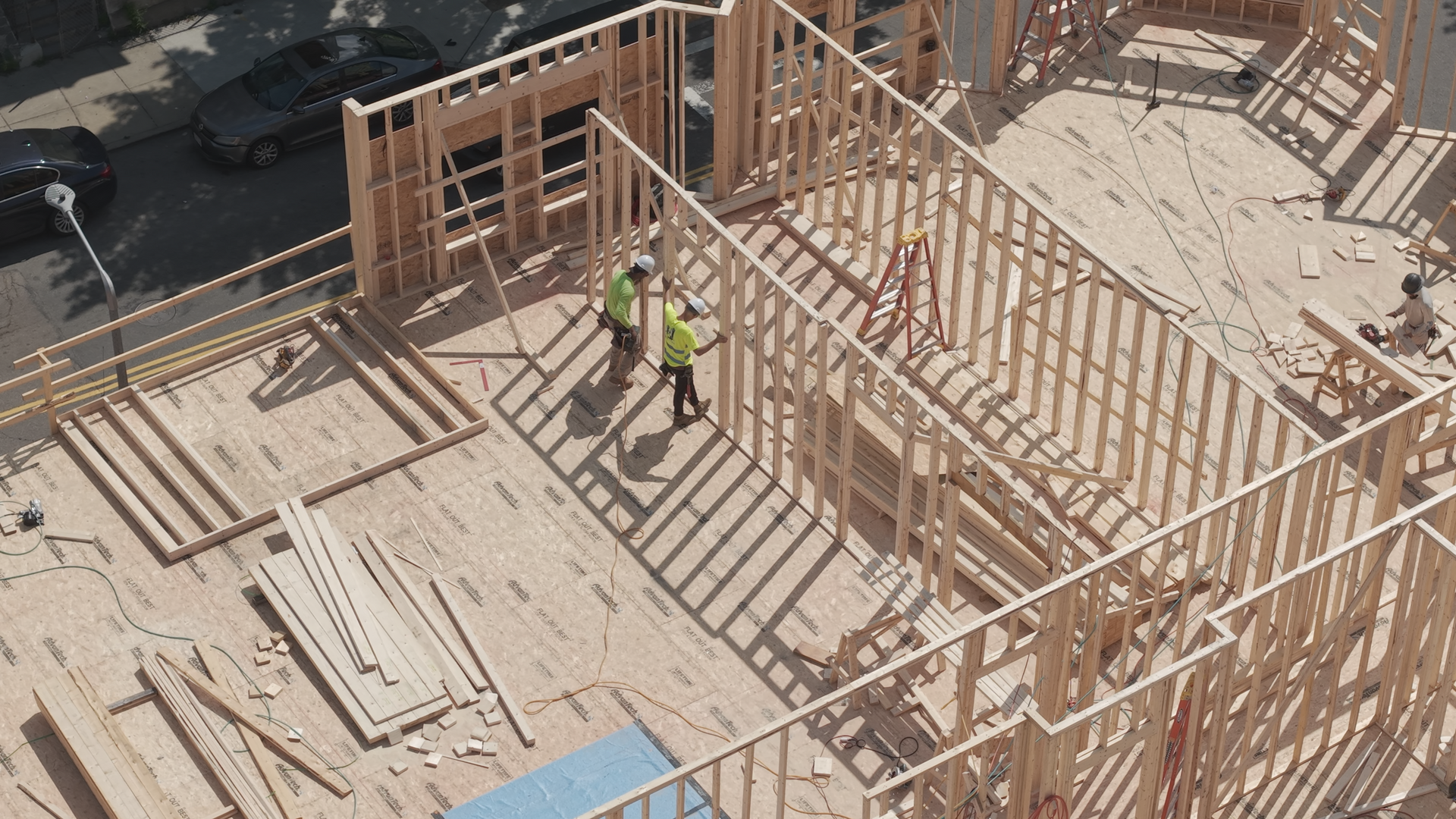
When you’re managing a multifamily project, time is more than just money, it’s momentum. Every extra week on the schedule adds costs, delays revenue, and ties up crews that could be moving on to the next site. That’s why the construction industry has been taking a closer look at something that’s been around forever but keeps proving its value: wood framing. For general contractors, developers, and project managers in Massachusetts and beyond, wood framing is a traditional building method but is also a proven strategy for keeping projects efficient, flexible, and profitable. Whether you’re putting up six-unit townhomes or 30-unit apartment buildings, wood delivers the speed, scalability, and predictability that heavy materials like steel or concrete can’t always match. Speed starts with simplicity The biggest advantage of wood framing is how straightforward it is. Wood is light, easy to cut, and flexible on-site, which means crews can move faster and adjust when needed without waiting for special equipment or fabrication. Unlike steel or concrete, there’s no curing time, no long lead times for specialized materials, and no heavy cranes required for every beam or panel. Once the materials are delivered, work begins almost immediately, walls go up, floors are framed, and in just a few weeks, the building starts to take shape. That simplicity translates directly into shorter project timelines. Multifamily buildings using wood framing can often be completed several weeks, sometimes even months, faster than comparable steel or concrete structures. The reason is simple: lighter material, easier logistics, and the ability to run multiple crews simultaneously without waiting on the critical path. It brings on-site efficiency We’ve seen this firsthand across several of our Massachusetts projects. In Somerville, for example, we completed the full framing of a 29-unit, 25,000-square-foot framing apartment building in just 12 weeks. That included exterior walls, floors, and coordination with mechanical rough-ins, all while staying perfectly aligned with the developer’s aggressive schedule. 
By Bryan October 31, 2025
In large construction projects, every decision creates a ripple effect, from design and budgeting to long-term performance and client satisfaction. Among those choices, siding sits right at the intersection of aesthetics, durability, and value . For general contractors and developers in Massachusetts, selecting the right siding system isn’t just a design decision, it’s a strategic investment that shapes financial return, market appeal, and the long-term resilience of the entire build. Why siding really matters It’s easy to think of siding as just the “skin” of a building, the final layer that defines its look and protects what’s inside. But in reality, siding plays a key role in energy performance, weather resistance, and lifetime maintenance costs . In commercial, multifamily, and mixed-use developments, the siding system directly impacts: Property value and resale potential Operational and maintenance budgets Tenant satisfaction and occupancy rates Energy efficiency and insulation performance Compliance with local codes and sustainability standards In other words, smart siding decisions can make or break the total cost of ownership. The ROI of quality siding Massachusetts weather doesn’t go easy on buildings. Between Nor’easters, humidity swings, and constant freeze-thaw cycles, siding systems are always under stress. Choosing premium materials and partnering with an experienced installation team pays off in durability, efficiency, and peace of mind. A high-performing siding system can: Prevent costly repairs caused by moisture or warping Lower insurance risks related to fire, impact, and severe weather Improve thermal performance and energy efficiency Enhance curb appeal, a major factor in leasing and resale value According to multiple building performance studies, fiber cement and engineered wood siding deliver some of the highest ROI among all exterior construction materials, even on large-scale commercial projects. Why material choice makes all the difference Not all siding materials perform the same, and on big projects, even small differences multiply across thousands of square feet. Here’s what general contractors and developers should consider: Fiber Cement Siding: Exceptionally durable, non-combustible, and ideal for New England’s climate. Often the top choice for multifamily and commercial buildings that require fire resistance and longevity. Engineered Wood: Offers a natural wood look with lighter weight and advanced coatings that resist rot, insects, and UV fading. Vinyl and Composite Systems: Cost-effective for mid-market projects, providing flexibility, color variety, and minimal maintenance. Metal Panels: Popular for modern commercial façades — sleek, weather-resistant, and architecturally versatile. Each option strikes a different balance of cost, appearance, and performance, but true success lies in how it’s installed, through precise detailing, proper moisture control, and alignment with the architect’s intent. Long-term value: Thinking beyond installation The real cost of siding isn’t just in the materials or labor, it’s in how it performs over decades. A properly installed system that prevents water infiltration, resists fading, and minimizes maintenance needs can dramatically reduce ownership costs. It also helps property managers and investors maintain a stronger ROI through fewer repairs and happier tenants. At Lifetime Contractors, we approach every siding project with long-term value in mind, focusing on craftsmanship, warranty integrity, and durability. Because when your trade partner understands the financial impact of performance, everyone wins: the General Contractor, the client, and the end user. How siding impacts market value When it’s time to sell, lease, or showcase a property, perceived quality is everything. Siding often defines a building’s first impression, its texture, color, and overall aesthetic coherence. Modern siding systems open the door to creative design, from vertical panels and board-and-batten accents to mixed-material façades, transforming even simple layouts into standout structures with real market presence. In competitive markets like Massachusetts, this kind of design distinction adds tangible marketability , often translating to higher sale prices and shorter vacancy cycles. Collaboration: Where siding meets project efficiency In large developments, great craftsmanship isn’t enough, coordination is everything. Siding installation must integrate seamlessly with framing, insulation, and window systems to avoid rework and keep schedules on track. That’s where the right partner makes all the difference. A specialized siding contractor brings not only technical skill but also logistical insight, sequencing work efficiently, managing scaffolding and lifts, and reducing trade overlaps. At Lifetime Contractors, we work hand-in-hand with general contractors to ensure the siding phase enhances overall project flow, staying on schedule, maintaining quality, and delivering consistent results across every square foot. Sustainability and code compliance Massachusetts enforces some of the strictest energy and fire safety codes in the Northeast. Modern siding systems are critical in meeting, and often exceeding, those requirements. From fiber cement’s Class A fire rating to advanced air and moisture barriers that cut energy consumption, siding plays a major role in a project’s sustainability goals. For LEED or green-certified developments, using eco-friendly or recyclable materials helps meet certification standards while future-proofing your design. The Massachusetts advantage Partnering with a local siding expert who understands regional climate patterns, materials, and inspection processes can make all the difference. With years of experience across Massachusetts, Lifetime Contractors knows what works in each region. We’ve seen how the right siding system doesn’t just protect a building, it elevates it, transforming a structure from functional to exceptional. Let’s build the next facade together For general contractors and developers planning projects for 2026 and beyond, now’s the time to start thinking strategically about your siding systems. The decisions made in pre-construction will determine your project’s durability, efficiency, and long-term success. Lifetime Contractors partners with leading General Contractors across Massachusetts to deliver siding systems, combining precision, reliability, and a shared commitment to excellence.  Contact us today for a free estimate or to discuss how we can support your next large-scale development.
By Hemilly Gomes October 16, 2025
If you’re a general contractor, developer, or construction manager in Massachusetts, you already know that the success of your 2026 projects starts with the partnerships you secure today. At Lifetime Contractors, our 2026 calendar is officially open. We’re now accepting requests for free estimates and pre-construction consultations for large-scale developments across the state. Whether you’re finalizing budgets, assembling bid packages, or refining your drawings, early planning is what keeps your framing and siding scopes running smoothly, and your entire project on track. Why early planning changes everything In Massachusetts, construction timelines live and die by the weather. Framing and siding are both highly seasonal trades, with limited windows for top performance and productivity. Contractors who plan ahead, lining up qualified crews, locking in material pricing, and scheduling inspections, are the ones who deliver on time while everyone else scrambles to catch up. Waiting until spring or early summer to secure your framing or siding teams can lead to: Limited availability from trusted subcontractors Higher material costs driven by seasonal demand Tight schedules that cause rushed work and coordination issues On the other hand, getting on the schedule early means: Priority access to skilled framing and siding crews Better pricing stability on materials A smoother workflow between trades, with fewer overlaps or delays Many of our clients tell us that early coordination with Lifetime Contractors saved them weeks on their timeline, and thousands in rework and delay costs. Now booking: 2026 construction projects We’re currently scheduling large-scale wood framing and siding projects for 2026, including: Multifamily and mixed-use developments Commercial and institutional buildings High-end residential complexes Our estimating and project management teams are already reviewing proposals for projects breaking ground next spring and summer. If you’re planning new developments for 2026, this is the moment to get organized — finalize your paperwork, secure permits, and select a framing and siding partner who can keep everything on schedule. Why general contractors choose Lifetime Contractors Over the years, we’ve built strong, long-term partnerships with general contractors and developers across Massachusetts who value our ability to: Stay on schedule: Our teams are structured for speed, precision, and reliability, even on complex, multi-phase projects. Maintain consistent quality: Every crew member follows strict company standards and safety procedures. Communicate clearly: You’ll always know where your project stands and what’s next. Handle complex scopes: From detailed architectural framing to large-surface siding, we’re experienced in multifamily and commercial-grade builds. Respect the chain of command: We integrate seamlessly into your project management workflow, respecting how your teams operate. We’re a reliable trade partner committed to helping you meet deadlines, pass inspections, and exceed client expectations. The advantage of working with Lifetime Contractors 1. Proven Expertise in Wood Framing From load-bearing walls and fire-rated assemblies to engineered lumber and complex rooflines, our framing crews know how to build it right. We follow Massachusetts building codes, maintain strict quality control, and adapt to each project’s structural and architectural needs. 2. Advanced Siding Systems We install all major siding materials — fiber cement, engineered wood, vinyl, and composite systems — always to manufacturer specs for warranty and performance. Our team is highly experienced in rainscreen systems and weatherproofing details, essential for New England’s climate. Proper flashing, fastening, and WRB integration are non-negotiable in our process. 3. Communication first Clear scheduling and proactive coordination are at the core of how we work. From the moment we’re contracted, we partner with your superintendents and site leads to align framing and siding with your master schedule. 4. Safety as a Core Value  All Lifetime crews are OSHA-trained, fully equipped, and operate under a strict zero-tolerance safety policy. Every site plan is designed with fall protection and hazard prevention in mind, protecting both our team and your liability. Massachusetts projects, built with local insight Working throughout Massachusetts, we understand the regional challenges that impact construction, from coastal corrosion and snow loads to municipal inspections. This local experience helps us anticipate issues before they ever reach your desk. We know which fasteners last on the coast, which insulation performs best in humid conditions, and which cities require special framing certifications. When you work with Lifetime Contractors , you’re choosing a partner who knows how to get projects built, and delivered, in New England’s unique environment. Secure your spot for 2026, contact Lifetime Contractors today If you want your 2026 builds framed and sided by a partner known for quality, reliability, and performance, now’s the time to act. We’re booking fast for the 2026 season. Call our estimating team or visit our website to request your free project estimate today. Let’s plan it right and build it strong, together.
By Hemilly Gomes October 1, 2025
When a developer or general contractor is seeking a framing partner for large-scale projects, whether multifamily developments, condominiums, or commercial buildings, it takes more than execution capacity. What’s needed is proven experience, strict standards of quality and safety, and a team that understands tight schedules. Lifetime Contractors Inc. delivers exactly that. Since 2015, serving Boston and surrounding areas, the company has completed almost 500 projects, with over 2.3 million square feet of framing to date. Our proven track record Scale and experience you can trust Established in 2015 , with a solid reputation across Massachusetts. Almost 500 completed projects , ranging from residential to large commercial developments. Over 2.3 million square feet of framing delivered, demonstrating capacity for high-volume work. Skilled team and safety commitment Dedicated Framing Field Managers ensure oversight and quality on every site. Crews are OSHA 10 and OSHA 30 certified, fully insured, and trained in rigorous safety protocols. Compliance with local building codes and a culture of “everyone goes home safe every day.” Integrated services for builders Lifetime Contractors offers more than framing: siding, roofing, and decking are also part of the package. This integrated approach eliminates trade conflicts, reduces delays, and ensures consistency across the building envelope. Why general contractors choose Lifetime Contractors 1. Scalable workforce for large projects With multiple field managers and experienced crews, Lifetime can handle simultaneous jobsite operations, crucial for multifamily and commercial projects on accelerated timelines. 2. Commitment to deadlines, safety, and communication From the start, clients receive clear and consistent updates. Meeting deadlines while upholding safety and quality is a non-negotiable priority. 3. Workmanship guarantee Lifetime provides a one-year workmanship warranty, giving contractors peace of mind and reducing post-delivery risks. 4. Compliance and professional standards The company maintains all necessary licenses, liability insurance, and workers’ compensation coverage, operating with full transparency and compliance. Choosing the right framing partner: How Lifetime Contractors stands out 
By Hemilly Gomes September 16, 2025
In Massachusetts, siding takes a beating year-round. Harsh winters with heavy snow, humid summers, and salty coastal air all accelerate wear and tear. Data shows that vinyl is the most common choice in New England, covering about 72% of new homes , but it’s also one of the first materials to show problems if not installed or maintained correctly. Homeowners and builders in the Boston area spend an average of $894 on siding repairs , with projects often ranging up to $1,400 when water infiltration or peeling become widespread issues. For contractors and construction firms, this means that even small mistakes in installation or oversight in maintenance can quickly turn into costly callbacks and client dissatisfaction. Common Siding Problems and Why They Happen Siding issues in Massachusetts typically stem from poor installation, material choices unsuited to New England’s climate, or deferred maintenance. Warping & Blistering: Caused by tight nailing, low-quality materials, or trapped heat and moisture. Prevention relies on climate-appropriate products and proper installation techniques. Peeling & Discoloration: Often linked to inadequate priming, inferior finishes, or prolonged sun exposure. High-quality coatings and regular upkeep are key. Water Infiltration & Mold: Result from gaps in flashing, unsealed joints, or poor drainage. Precision sealing, ventilation, and grading help avoid costly structural damage. Exposed Nails & Poorly Sealed Joints: Signs of rushed or incorrect installation. Using corrosion-resistant fasteners and premium sealants prevents future leaks. Ultimately, most common siding problems are preventable with correct installation, material selection, and scheduled maintenance, failure to do so quickly escalates into expensive repairs or replacements. Repair vs. Replacement: Making the Right Call Knowing when to repair and when to replace siding is critical for cost control, long-term performance, and client satisfaction. Minor Repairs Issues like small cracks, limited peeling, or a few exposed nails can typically be handled with local fixes. These repairs are quick, cost-effective, and avoid disruption to the entire façade, ideal for maintaining a project schedule without major rework. Partial Replacement When problems are more concentrated, such as localized warping, blistering, or repeated water infiltration in certain areas, sectional replacement is usually the smarter approach. This method restores integrity to the building envelope while keeping budgets under control, especially on large-scale projects. Full Replacement In cases where siding problems are widespread, often the result of systemic installation failures, outdated materials, or prolonged moisture damage, a complete replacement is the most efficient solution. While the upfront cost is higher, full replacement protects the structure, avoids ongoing callbacks, and ensures compliance with today’s performance standards. A reliable partner helps contractors evaluate these decisions, balancing client budgets with building integrity. Lifetime Contractors: A Partner You Can Trust In siding projects, reputation is built on long-term performance, not just installation process . By understanding the most common siding problems, applying preventive strategies, and relying on proven installation practices, contractors can ensure their projects will perform at their best. At Lifetime Contractors , we partner with general contractors and construction companies across Massachusetts, delivering precision, efficiency, and siding solutions built to last. Whether it’s siding repairs, large-scale installations, or preventive siding maintenance, we bring the experience and accountability that keep your projects on track.
By Hemilly Gomes September 2, 2025
In June 2025, new construction starts in the United States reached $1.33 trillion, a 16% increase compared to the previous month and 4% higher year over year. This national growth is clearly reflected in Massachusetts, where the construction market continues to attract strong investment. According to Dodge Data & Analytics, the Boston–Cambridge–Quincy metro area saw construction starts climb to $22 billion in 2023, up from $17.2 billion in 2022. These figures confirm that Massachusetts remains one of the strongest investment hubs in New England for residential, commercial, and institutional projects. With so much capital flowing into new developments, protecting these investments with the right building practices is crucial. And one of the most important fundamentals is siding. Why Siding Matters in Massachusetts Construction Siding is more than aesthetics, it’s about protecting the building envelope and ensuring long-term value. A poorly chosen or poorly installed siding system can lead to water damage, higher maintenance costs, energy loss, and even reduced property value. For investors, general contractors, and construction companies, siding represents a financial decision as much as a design one. Regional Fundamentals Across Massachusetts Coastal Massachusetts (Cape Cod, the Islands, North Shore, South Shore) In the coastal areas of Massachusetts, including Cape Cod, the Islands, and the North and South Shores, siding is constantly tested by salt air, high humidity, and strong winds that often reach design speeds of 130–140 mph. These conditions accelerate corrosion and can compromise the building envelope if materials and installation are not carefully selected. For contractors working near the shoreline, selecting the best siding for Massachusetts means choosing assemblies designed for durability and weather-tight detailing. Corrosion-resistant fasteners such as stainless steel (Type 304 or 316) are essential, and rainscreen assemblies that create drainage cavities help manage wind-driven rain and moisture. Greater Boston & MetroWest In Greater Boston and the MetroWest corridor, construction projects face different challenges. While coastal salt exposure is less severe, freeze–thaw cycles are frequent, and urban density requires siding systems that integrate seamlessly with energy-efficient building envelopes. The state’s building codes increasingly emphasize performance, making continuous insulation and advanced flashing details standard practice. Here, the best siding for Massachusetts is one that balances energy efficiency with low maintenance. Fiber cement and composite systems perform well in these conditions, but the real differentiator is professional installation that integrates siding into the overall weather-tight package of the structure. Central & Western Massachusetts Central and Western Massachusetts bring yet another layer of complexity. Heavy snowfall, colder winters, and the risk of ice dams put significant pressure on exterior walls. Siding in these areas must be able to withstand prolonged exposure to moisture and rapid temperature fluctuations. Proper drainage is critical: when snow and ice melt, water must be directed away from the sheathing and framing. Rainscreen systems, corrosion-resistant flashings, and attention to roof-to-wall transitions ensure that siding assemblies remain effective. For investors and builders, selecting the best siding for Massachusetts in these inland regions means choosing durability first, and pairing it with installation practices that address the realities of snow and freeze–thaw stress. The Fundamentals Before Material Choice Every project should begin with site-specific design, assessing wind, snow, and exposure risks unique to the location. Once those are clear, the weather-tight package must be addressed, integrating siding with WRBs, flashing, and sealants. Beyond products, professional installation is non-negotiable, as specialized siding teams prevent failures and preserve warranties. Finally, no system is complete without a maintenance strategy: routine inspections protect long-term value and extend the life of the investment. Siding Materials That Perform in Massachusetts While fundamentals come first, material choice still matters. Fiber cement offers rot resistance and long-term stability in humidity. PVC and composite shakes deliver the traditional New England look with reduced maintenance. High-wind-rated vinyl provides an affordable option, and cedar shingles remain a timeless aesthetic when paired with stainless steel fasteners and rainscreen assemblies. Why Specialized Teams Make the Difference Even the best siding materials fail without the right installation. Corroded fasteners, poorly flashed windows, or over-nailed vinyl panels are all common causes of failure. This is why specialized siding crews and building envelope experts are essential. They ensure the system performs for decades, protecting both the structure and the investor’s capital. Lifetime Contractors: Your Partner in Massachusetts Siding With billions of dollars in new construction flowing into Massachusetts every year, siding is one of the most important planning decisions to protect those investments. At Lifetime Contractors, we combine local expertise with specialized crews to deliver siding solutions that meet Massachusetts’ unique climate challenges. From Cape Cod to Western MA, we provide region-specific design guidance, full weather-tight package integration, and skilled installation teams, all with a focus on protecting long-term value. Contact Lifetime Contractors today to discuss your siding project.
By Hemilly Gomes August 18, 2025
In Massachusetts, your reputation as a contractor is built on more than just delivering a finished project. It’s about delivering work that stands the test of time, meets or exceeds state standards, and minimizes callbacks or disputes. The 10th Edition of the Massachusetts State Building Code (780 CMR), aligned with the 2021 International Codes, sets the framework, but how you interpret, plan, and execute within those parameters defines your competitive edge. For large construction companies, quality isn’t just a selling point, it’s a risk management tool that protects your bottom line, reduces liability exposure, and strengthens client relationships. Framing Massachusetts’s climate, from heavy snow loads to coastal winds, demands precision in load paths and bracing. Structural integrity begins with: Continuous load paths from roof to foundation, ensuring every structural element works as a system. Braced wall lines sized and placed according to the latest state-amended requirements. Load calculations tailored to site-specific snow and wind conditions, avoiding over- or under-engineering. The payoff is measurable and tangible: precision in framing directly reduces the likelihood of structural failures, minimizes costly warranty claims, and protects your margins from unexpected rework. This consistency builds client trust, strengthens your reputation in the market, and positions your company as a contractor that delivers durable, low-maintenance results on every project. Siding and envelope systems For high-volume projects, small installation mistakes can become costly patterns. Your crews should be trained to: Install a water-resistive barrier and flash all penetrations in the correct sequence. Incorporate kick-out flashing at roof-wall intersections to divert water away from siding. Use drainage gaps or rainscreen systems, especially for absorbent claddings, to promote drying and prevent mold. The result: longer-lasting exteriors, fewer callbacks, and better performance in final inspections. Deck construction Deck failures not only endanger users but also create significant legal exposure for builders. To protect your company: Use approved fasteners and flashing at the ledger connection , installed in a shingle-style sequence. Select corrosion-resistant hardware (hot-dipped galvanized or stainless steel), particularly for coastal or high-moisture sites. Follow proper footing depths, joist spans, and lateral load controls to prevent structural issues over time. Roofing New England’s winter conditions and seasonal storms require more than a basic approach to roofing: Balanced ventilation between intake and exhaust to prevent condensation and extend shingle life. Ice barriers at eaves to mitigate ice damming and prevent water intrusion. Proper integration of step, valley, and drip-edge flashings to handle wind-driven rain and snow melt. A well-executed roofing system reduces maintenance claims and reinforces your reputation for delivering durable structures. Operational standards: Permits, licensing, and oversight On commercial and large-scale residential projects, compliance is about protecting your business as much as meeting legal obligations: Maintain active Construction Supervisor Licenses (CSL) for supervisory staff. Ensure subcontractors are properly registered and insured. Assign permit responsibilities clearly to avoid administrative delays and liability shifts. Building beyond the code In Massachusetts, doing the bare minimum to “pass inspection” isn’t enough for contractors who want to lead in the market. The contractors who win repeat business and large bids are the ones who consistently build above standard, plan for local climate realities, and prevent problems before they start. Invest in skilled labor, enforce strict quality controls, and maintain clear communication with clients. The return is measured not just in profitability, but in your reputation as the contractor who delivers projects that last. At Lifetime Contractors , that reputation is backed by full licensing, industry certifications, and a proven track record of excellence across Massachusetts. Every project we take on is treated as a partnership, with the same attention to detail and commitment we’d apply to our own investments. Whether it’s a large-scale commercial build or a complex residential development, our team is equipped to meet deadlines, control costs, and exceed expectations. Let’s talk about your next project. Contact us today for a free estimate or to discuss how we can bring your plans to life with the quality and reliability your clients deserve.