Why Fiber Cement Siding Is the Go-To Choice for Multifamily and Commercial Development in Massachusetts
The exterior cladding decision on a development project doesn't make headlines. It doesn't show up on a pitch deck. But it shapes the asset's operating costs, maintenance calendar, and market positioning for the next 30 to 40 years — and in Massachusetts, where building code requirements, climate exposure, and tenant expectations all run above the national baseline, that decision has a right answer more often than most people in the industry acknowledge.
Fiber cement has become the dominant specification for multifamily and commercial exteriors in New England for reasons that compound on each other: durability, code compatibility, design flexibility, and a maintenance profile that protects the asset long after construction is complete. In 2024, fiber cement accounted for 23% of all exterior wall cladding on new U.S. residential construction, according to the National Association of Home Builders.
Performance in New England Weather
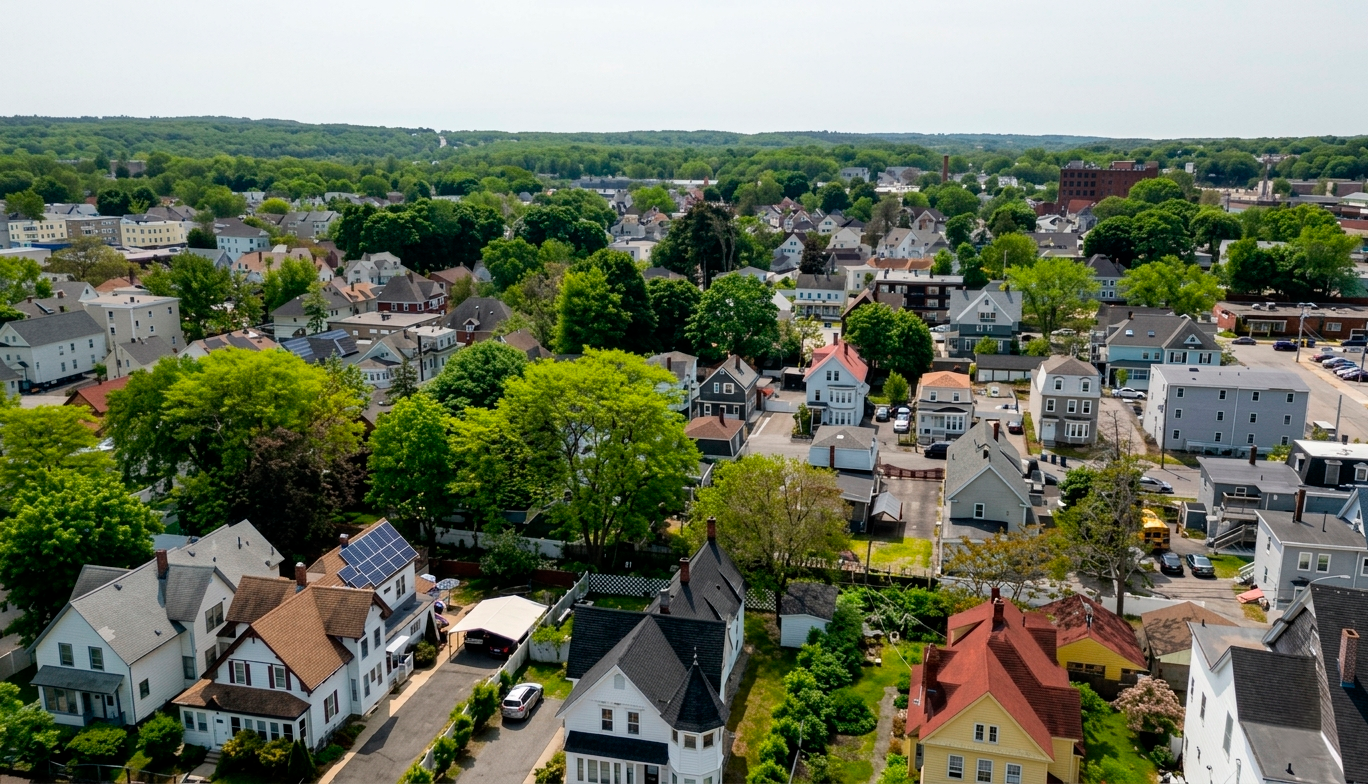
Massachusetts construction has specific demands that make material selection more consequential than in more temperate markets — freeze-thaw cycles, heavy snow loads, and coastal humidity compress the margin for error in any exterior assembly. Fiber cement — a composite of Portland cement, sand, and cellulose fiber — handles that environment by design.
Unlike vinyl, it doesn't crack or warp under thermal stress. Unlike wood, it doesn't absorb moisture, swell, or rot over time. And unlike EIFS (synthetic stucco), it doesn't trap water behind the surface. In a climate where exterior wall assemblies are tested every winter, fiber cement delivers consistent performance over a 30- to 40-year asset lifecycle in ways that most alternative materials simply can't match.
What Developers and Investors Are Protecting
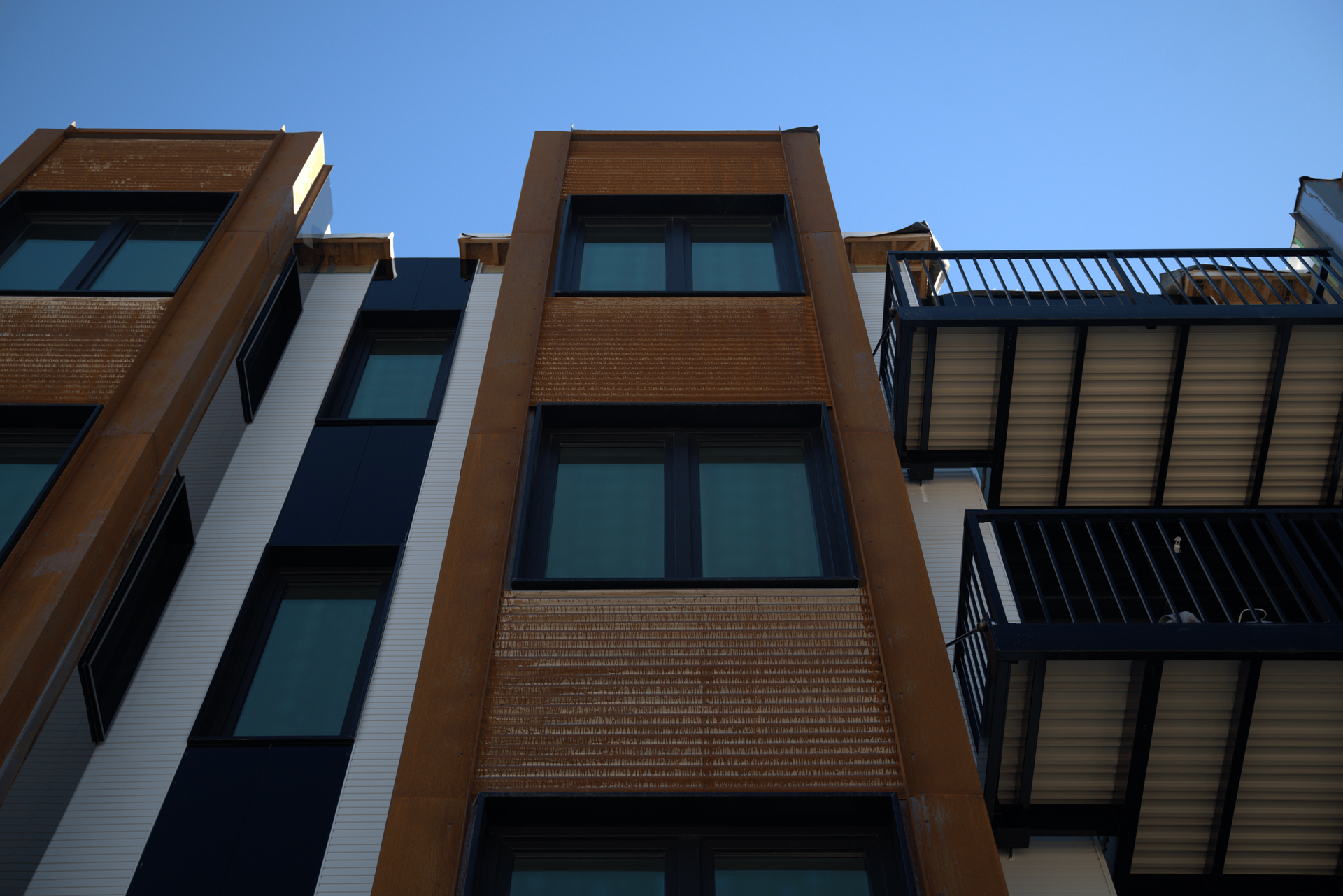
When a developer specifies fiber cement on a 60-unit apartment building or a mixed-use commercial ground floor, the choice reaches well beyond the cladding itself — it flows directly into operating costs, tenant satisfaction, and long-term asset value.
Fiber cement requires minimal maintenance once installed correctly. It holds paint exceptionally well — factory-applied finishes are rated for 15 years in some James Hardie product lines — meaning ownership groups and property managers aren't cycling through exterior repaints every four to six years the way they might with wood or engineered wood alternatives. On a 60-unit property, the labor and material cost of a full exterior repaint is a real and recurring line item. Eliminating or extending that cycle meaningfully affects the NOI calculus.
According to the 2025 Cost vs. Value Report published by Remodeling/Zonda, fiber cement siding replacement delivers approximately 114% return at resale nationally — among the highest of any exterior project category. In Massachusetts, where property values and construction quality standards run above national averages, that return profile is at least as strong.
For commercial developments — retail ground floors, mixed-use, light industrial — fiber cement's graffiti resistance and dimensional stability under heavy use translate directly to lower facilities management overhead. Commercial tenants expect an exterior that holds up without becoming a recurring issue for building management.
And for residential tenants, the visible quality of the exterior cladding signals the quality of the entire building. In markets where renters are comparing properties actively, first impressions on approach and curb appeal at delivery are part of what justifies premium rents.
The Crew Behind the Installation
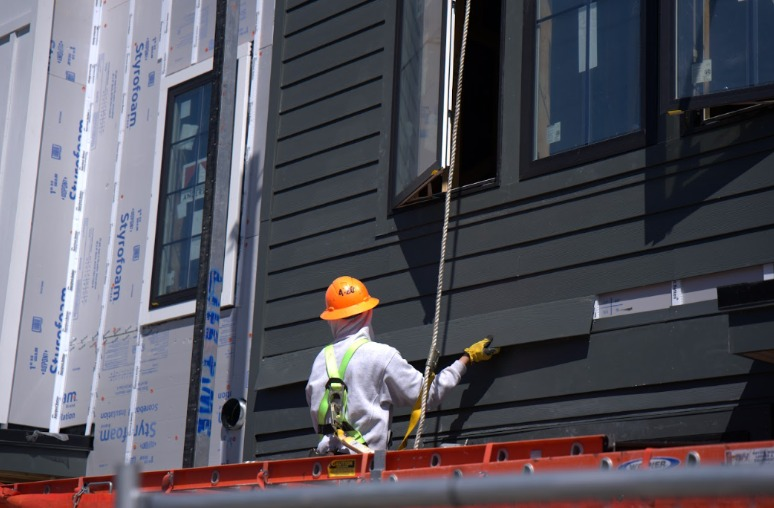
The performance characteristics of fiber cement only materialize through correct installation. The material requires specific fastening patterns, clearance requirements, flashing integration, and in rainscreen assemblies, precise management of the drainage plane and ventilation gap. An improper installation — insufficient clearance from grade, incorrect fastening at panel edges, inadequate flashing at penetrations — creates moisture entry points that undermine the entire performance profile of the system.
The qualification of the siding subcontractor directly affects warranty validity, building envelope performance, and the inspection outcomes that control your draw schedule.
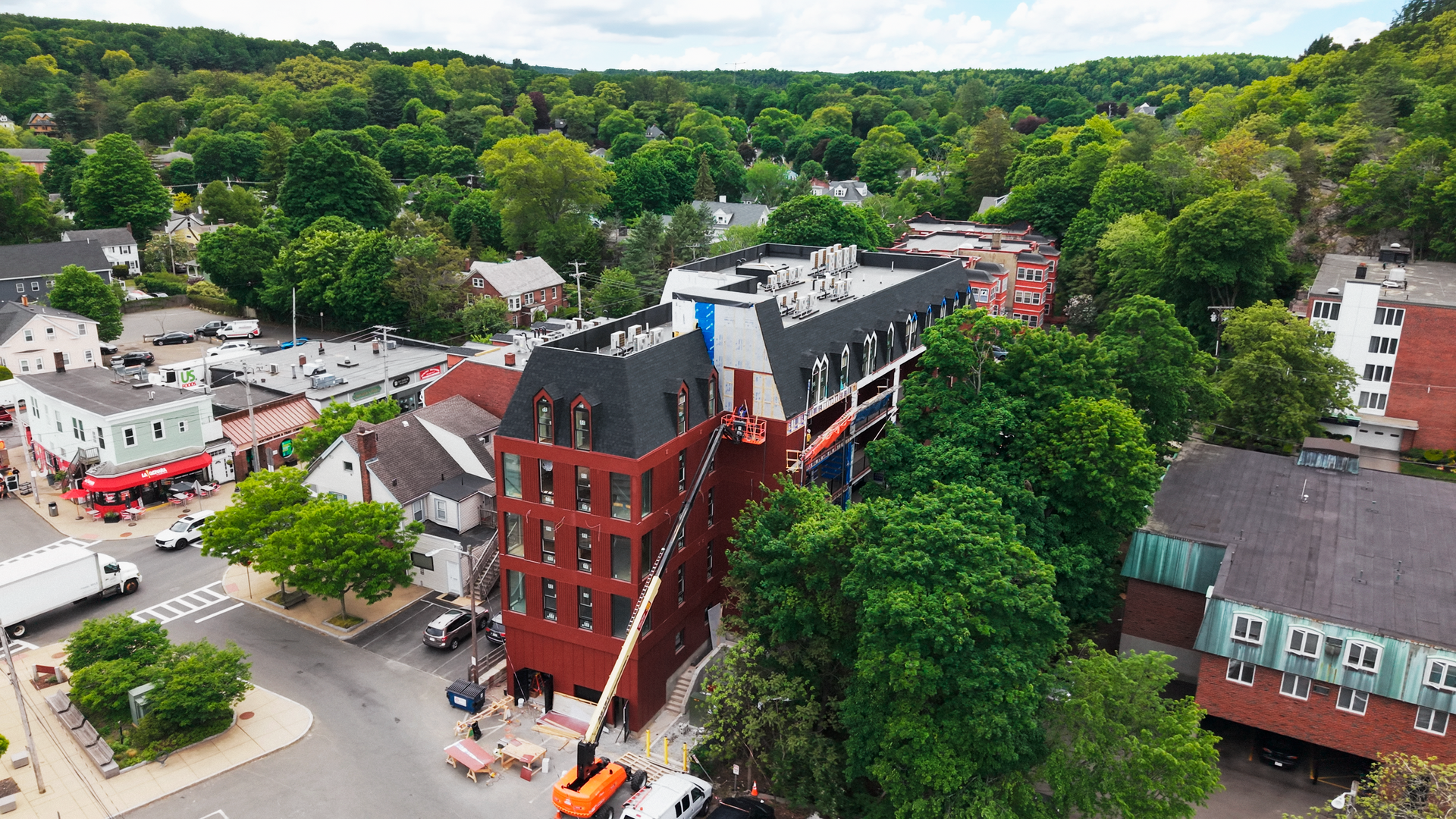
At Lifetime Contractors, fiber cement installation is a core service across Massachusetts — covering residential, multifamily, and mixed-use projects. We're fully insured, our teams hold OSHA 10 and OSHA 30 certifications, and have hands-on experience with the rainscreen assemblies required under the Stretch and Specialized Energy Codes. We install James Hardie, Nichiha, and LP SmartSide systems and understand the manufacturer requirements that keep warranties intact.
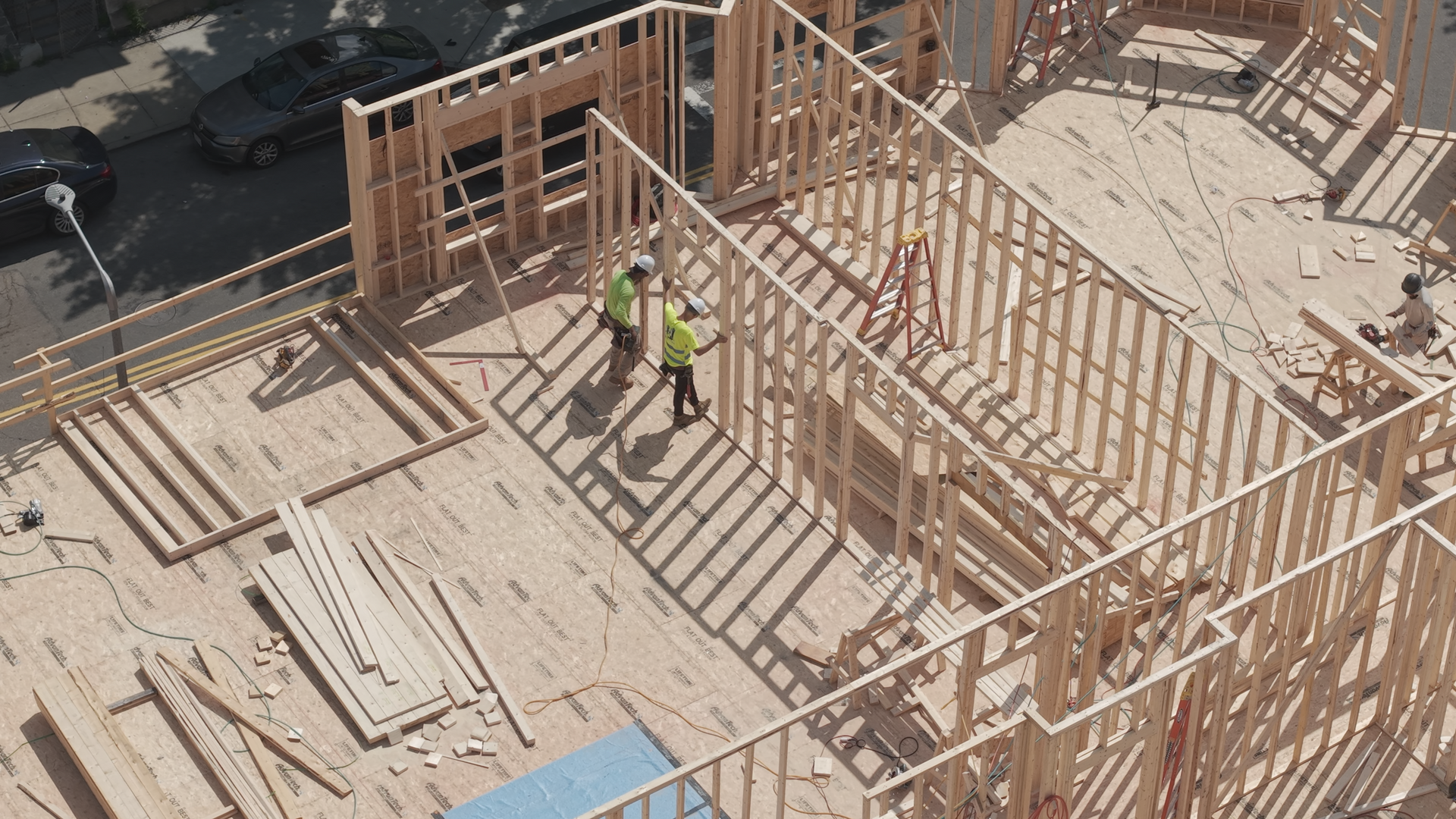
Because we also handle framing, roofing, and decking under the same company, we bring continuity to the building envelope sequence — which means flashing integration at the roof-wall interface, window rough openings, and deck ledger connections are coordinated from the same team that installed the underlying substrate. That coordination eliminates the most common sources of moisture intrusion that get attributed to siding after occupancy.
A Specification Decision With Long-Term Reach
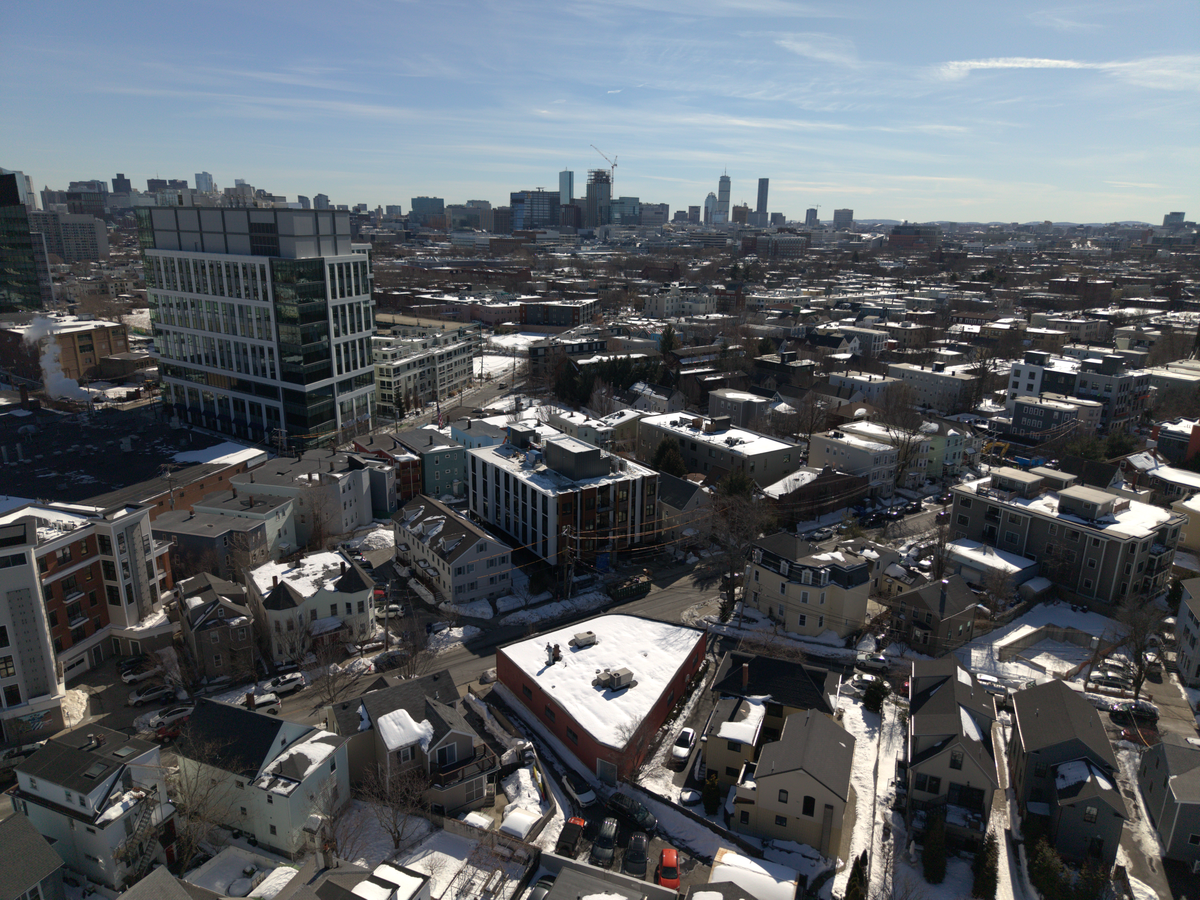
The developers and investors putting capital into Massachusetts multifamily and commercial construction right now are building assets that will be managed, financed, and traded for the next 30 to 40 years. Fiber cement's durability, low maintenance profile, code compatibility, and resale performance make it a specification that continues to pay off well past project completion.
For general contractors, recommending or specifying fiber cement on a development project is also a reputation decision. The exterior of a building is what every future tenant, buyer, and passerby evaluates. Getting that right — with the right material and the right installation — reflects on the GC's standard of work long after the project closes out.
If you're managing a multifamily or commercial development in Massachusetts and fiber cement is in your specification,
reach out to Lifetime Contractors. We're ready to discuss scope, timeline, and what your project requires to get the installation done right.