5 Boston Suburbs with the Fastest Population Growth in Massachusetts and What It Means for Residential Construction
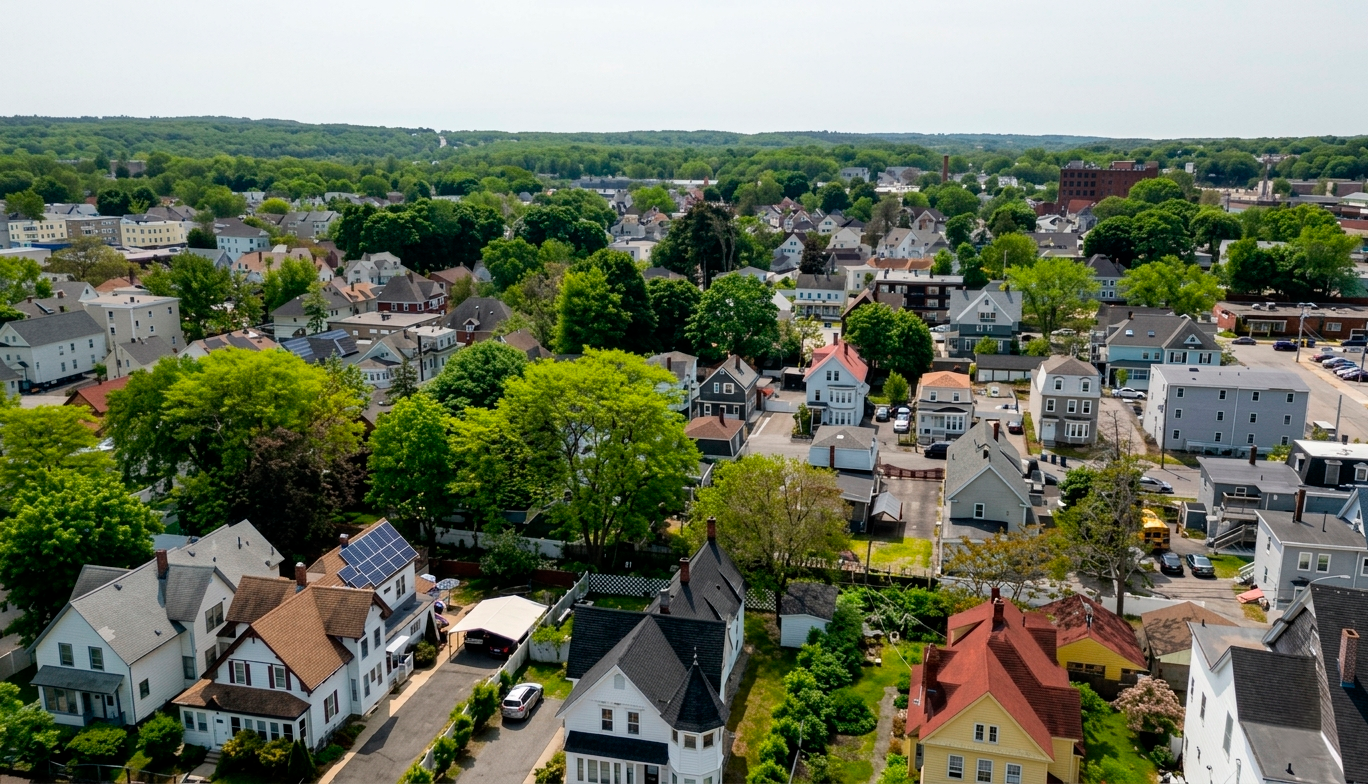
Massachusetts added 70,000 residents in a single year — the largest population gain the state has seen in six decades. That's not a housing market trend. It's a construction signal. And buried inside the U.S. Census Bureau's Vintage 2024 data, released in May 2025, is something more useful than a statewide headline: five specific communities where that growth hit harder than anywhere else in the state, and where the zoning environment has changed in ways that make residential development viable at a scale it wasn't two years ago.
The Census Vintage 2024 sub-county estimates — the most recent city- and town-level data available as of mid-2026 — showed 283 of Massachusetts' 351 municipalities gaining population between July 2023 and July 2024.
The Census Vintage 2025 state-level data, released by UMass Donahue in January 2026, shows Massachusetts grew at just +0.2% in the year ending July 2025 — a sharp deceleration from the prior year's +1.0%, driven by a national drop in international immigration. City-level Vintage 2025 estimates have not yet been released. The growth rates below reflect the 2023–2024 surge; 2025 municipal figures will likely be more modest. What doesn't change is the structural picture: a 3% rental vacancy rate in Greater Boston and by-right zoning now unlocked in communities that historically blocked density.
1. Stoneham — +6.3%
No municipality in Massachusetts grew faster in the 2023–2024 period than Stoneham, which added 1,452 residents in a single year — a 6.3% increase that topped every other city and town in the state.
Stoneham sits along Route 28 and Route 93, roughly eight miles north of downtown Boston, without commuter rail but with strong highway access to the Orange Line at Malden Center and Route 93 connectivity south toward the Green Line extension corridor in Medford and Somerville.
The town's Route 28 overlay district has been identified as one of the primary development corridors. For a developer evaluating infill sites north of Boston, Stoneham's combination of top-state growth rate, transit proximity, and recently unlocked zoning makes it a market that deserves serious underwriting attention.
2. Woburn — +4.3%
Woburn added 1,812 residents in the same one-year period — the fourth-largest numeric gain in the state — at a 4.3% growth rate, putting it in a category of its own among the inner-north suburbs.
The city has commuter rail service on the Lowell Line at the Anderson Regional Transportation Center, a natural anchor for transit-oriented development. For GCs negotiating subcontractor scopes on multifamily projects north of Boston, Woburn has an identifiable project pipeline, willing developer capital, and a 7-day market that tells you demand hasn't softened.
3. Wakefield — +3.9%
Wakefield grew by 3.9% over the same period, placing it third in the state on percentage growth. Like Stoneham and Woburn, it sits in Middlesex County with commuter rail access on the Haverhill Line providing a direct connection to North Station in Boston.
Wakefield's median home values have been rising faster than nearby communities. The town's relatively small geographic footprint and limited infill inventory mean that development sites that do come to market tend to move quickly.
For investors evaluating land acquisition north of Boston, Wakefield's combination of 3.9% population growth, commuter rail access, and a zoning environment that now allows by-right multifamily creates a narrower acquisition window than Woburn, but delivers a premium price-per-unit profile on completion.
4. North Reading — +3.2%
North Reading's 3.2% growth rate makes it the fourth-fastest growing community in the Vintage 2024 data. It's a Route 128 corridor town with lower land costs than its neighbors, a smaller downtown core, and a development history dominated by single-family residential.
For developers working with more modest capital stacks, North Reading's lower land basis compared to Woburn or Stoneham — combined with real demand pressure — offers a longer runway on return profiles, particularly in for-sale townhome and small multifamily formats.
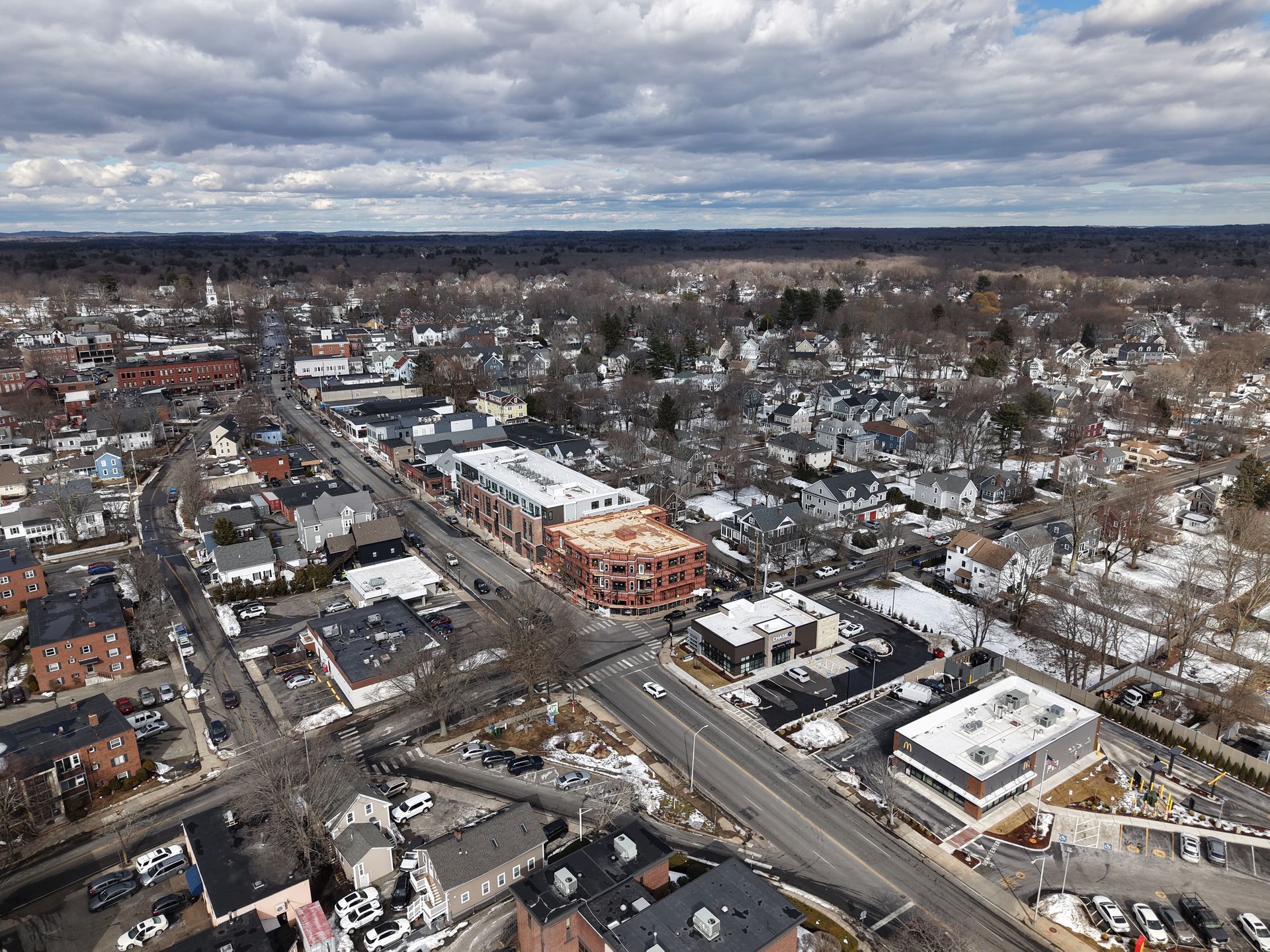
5. Revere — +2.94%
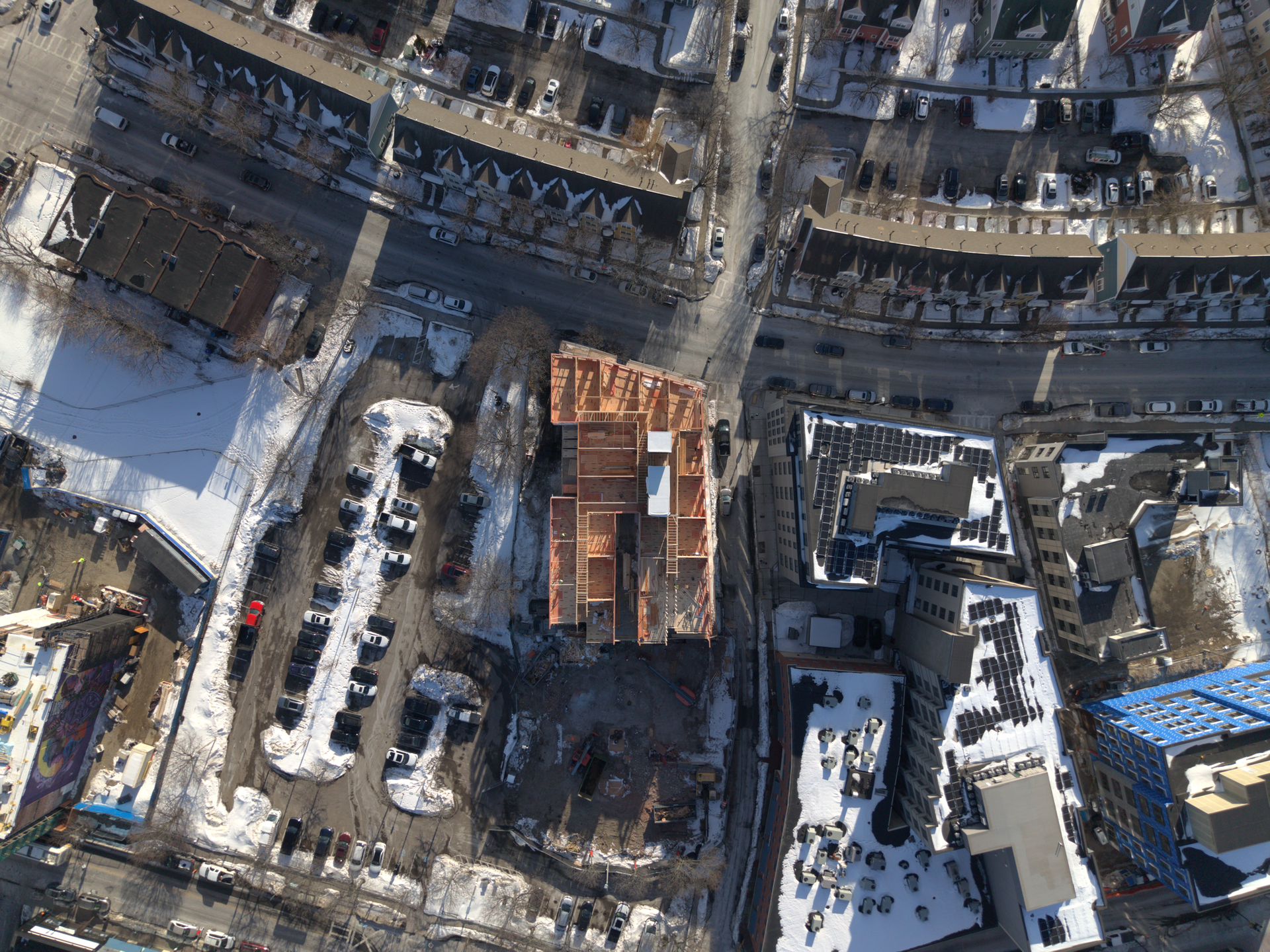
Revere rounds out this list as the only Gateway City in the group, and its inclusion is anchored in something concrete: Suffolk Downs, the largest approved residential development in Greater Boston's history, is actively under construction within its borders.
For developers and GCs, the combination of active construction at scale, proven investor appetite, and a Blue Line-anchored location creates a pipeline of work that extends well beyond a single project.
Reading These Numbers in 2026
Massachusetts issued only 14,338 building permits in 2024 — the sixth-lowest rate per capita in the nation. Greater Boston's rental vacancy rate sits at 3%, the lowest of any major U.S. metro. The statewide deceleration visible in Vintage 2025 state data (+0.2% vs. +1.0% the prior year) reflects reduced international immigration nationally, not a reversal of local housing demand — the inventory shortage that drove the 2023–2024 surge in these five communities remains structurally intact.
City-level Vintage 2025 data is expected from UMass Donahue in mid-2026 and will be the first dataset to show whether Stoneham and Woburn maintained their trajectory or followed the statewide trend. What the data won't change is the projects already in motion confirm that developer capital is moving in these markets now.
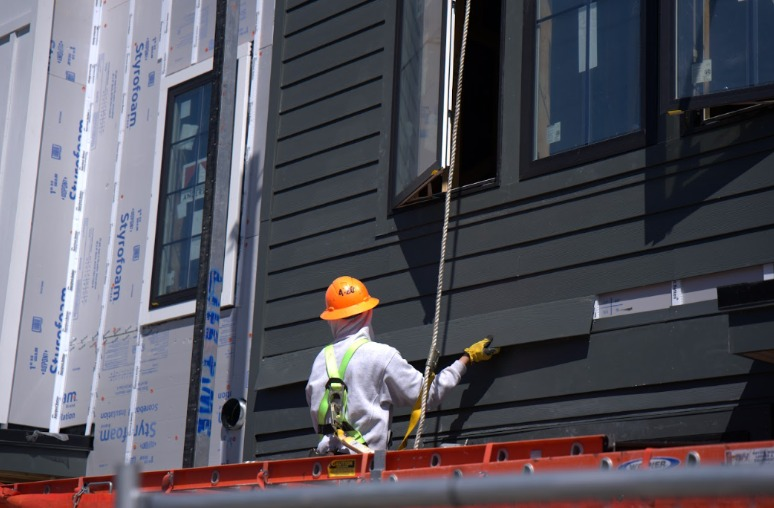
If your next project is in any of these communities and you need a subcontractor for framing, siding, roofing, or decking, Lifetime Contractors works across all Massachusetts.