How Hiring a Full Weather-Tight Package Contractor Saves Time and Money

March 20, 2025

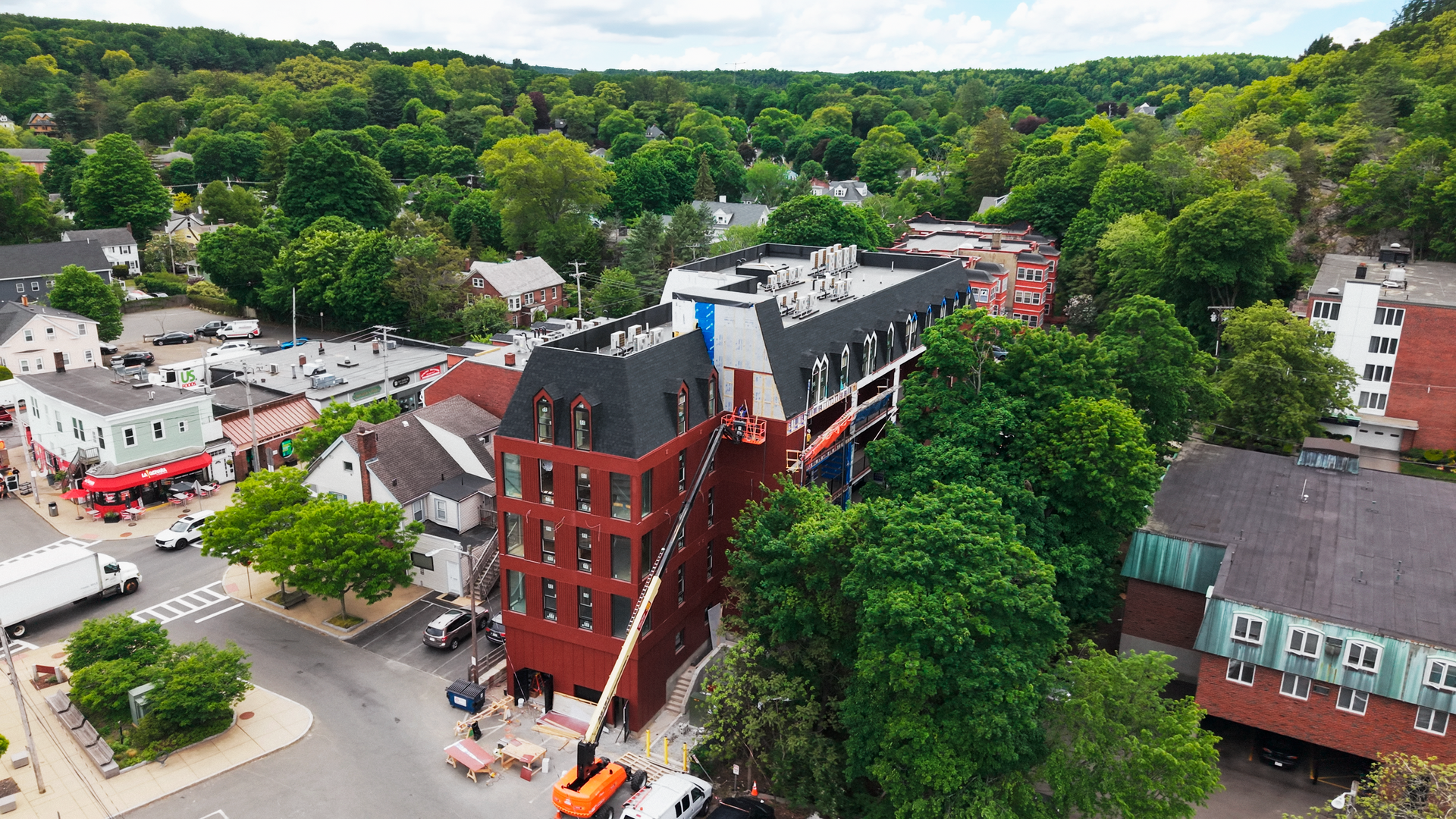
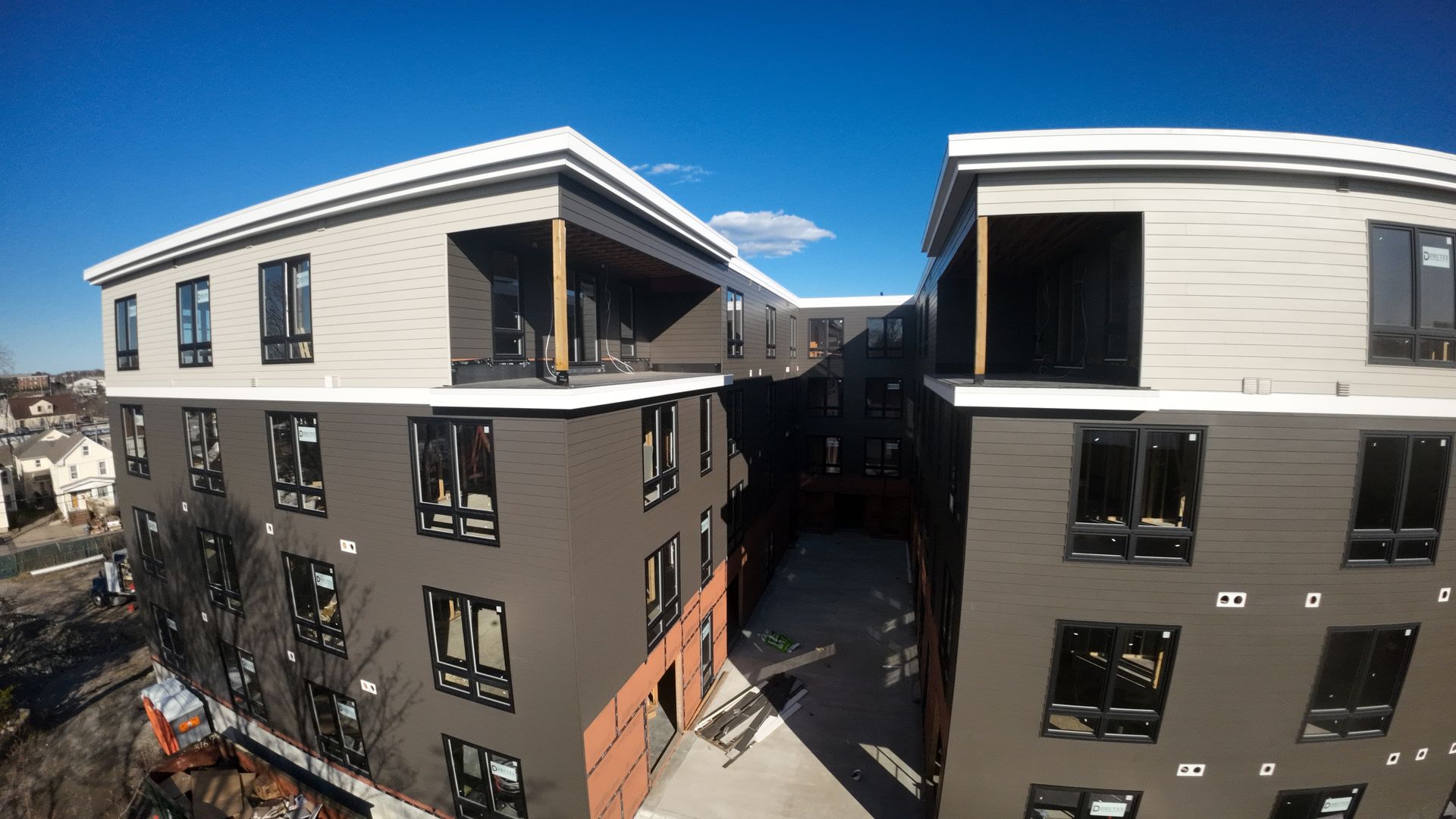
Construction projects are exciting, but they can also be overwhelming. Between managing timelines, budgets, and multiple contractors, it’s easy to feel like you’re juggling too much at once. That’s where Full Weather-Tight Package contractors like Lifetime Contractors come in. By offering a complete range of services – from framing to roofing, siding, and decking – we simplify the process, ensuring your project is weatherproof, efficient, and cost-effective from start to finish.


What is a full-service contractor?

A Full Weather-Tight Package contractor is a company that manages every critical phase of your building’s exterior under one roof. Instead of hiring separate specialists for framing, roofing, siding, and decking, you work with a single team dedicated to creating a seamless, weather-resistant structure. At Lifetime Contractors, we specialize in:

  • Framing: Building the structural skeleton of your project.
  • Roofing: Installing durable, weather-resistant roofs.
  • Siding: Adding beautiful, long-lasting exteriors.
  • Decking: Creating outdoor spaces for relaxation and entertainment.


By offering these services as part of our Full Weather-Tight Package, we ensure seamless coordination, consistent quality, and a single point of contact for all your needs.

The time-saving advantage

One of the biggest challenges in construction is managing multiple contractors. Each specialist has their own schedule, team, and approach, leading to delays and miscommunication. Here’s how a Full Weather-Tight Package contractor like Lifetime Contractors saves you time:


1. Streamlined communication

When you work with multiple contractors, you’re constantly juggling phone calls, emails, and meetings. With a full-service contractor, you have one team to communicate with. This simplifies the process and ensures everyone is on the same page.


2. Faster project completion

Because we handle everything in-house, there’s no waiting for one contractor to finish before another can start. Our team works together seamlessly, keeping your project on track and on schedule.


3. Problem-solving efficiency

Issues inevitably arise during construction. When you have multiple contractors, resolving these issues can be a blame game. With a full-service contractor, we take full responsibility and find solutions quickly.
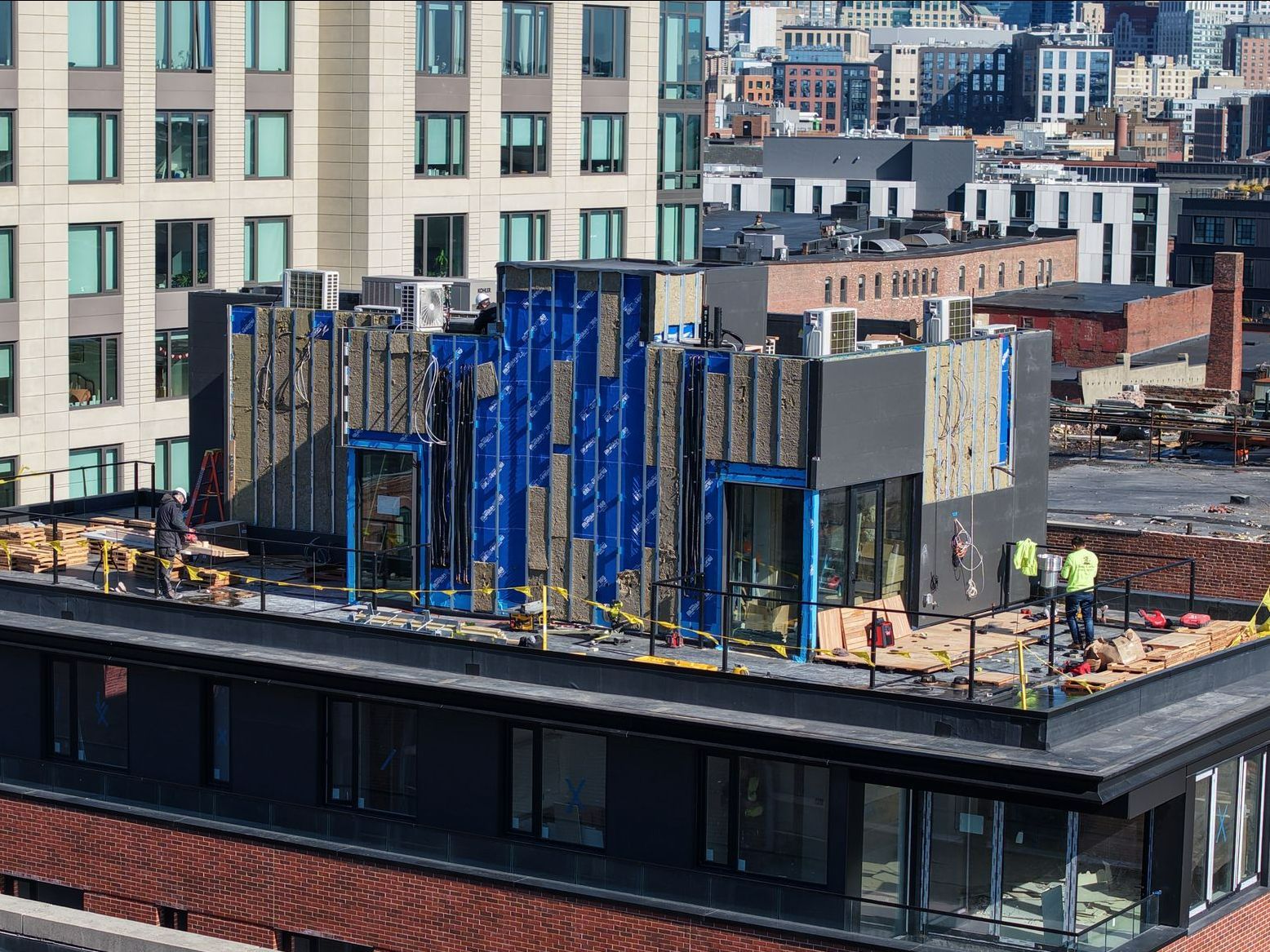


The cost-saving advantage

A Full Weather-Tight Package isn’t just about convenience – it’s a smart financial decision. Here’s how we save you money:


1. Reduced overhead costs

When you hire multiple contractors, you’re paying for multiple overheads (e.g., administrative costs, equipment rentals). With a full-service contractor, you pay one fee that covers everything.


2. Fewer mistakes

Mistakes are costly, especially when they involve multiple contractors pointing fingers at each other. At Lifetime Contractors, we take pride in our attention to detail, ensuring fewer errors and less rework.


3. A Cohesive, expert team

Our experts in framing, roofing, siding, and decking work seamlessly as one unit. This synergy means faster decision-making, smoother transitions between phases, and a deeper understanding of how each step impacts the next. Instead of dealing with miscommunication or gaps in expertise, you benefit from a team that complements each other’s skills, ensuring a more efficient and cost-effective project.


The lifetime contractors difference

At Lifetime Contractors, we go beyond just offering multiple services. Here’s what sets us apart:


1. Experienced and certified team

Our crew is trained, certified, and ready to deliver. From framing to roofing, we have the expertise to handle every aspect of your project.


2. Commitment to quality

We don’t cut corners. Every nail, every beam, every shingle is installed with precision and care.


3. Dedicated support

We’re with you from the first blueprint to the final walkthrough – and beyond. Our 1-year warranty ensures your peace of mind long after the project is complete.


4. Safety first

Our team is OSHA 10 & OSHA 30 certified, something not every company can say. We invest in continuous training and improvement to keep our team and projects safe, ensuring the highest safety standards on every worksite.


Real-life example: A seamless project

Imagine hiring separate contractors for framing, roofing, and siding. Delays from one team push back the entire project. When a leak appears, the roofer blames the framer, and the siding contractor points fingers.


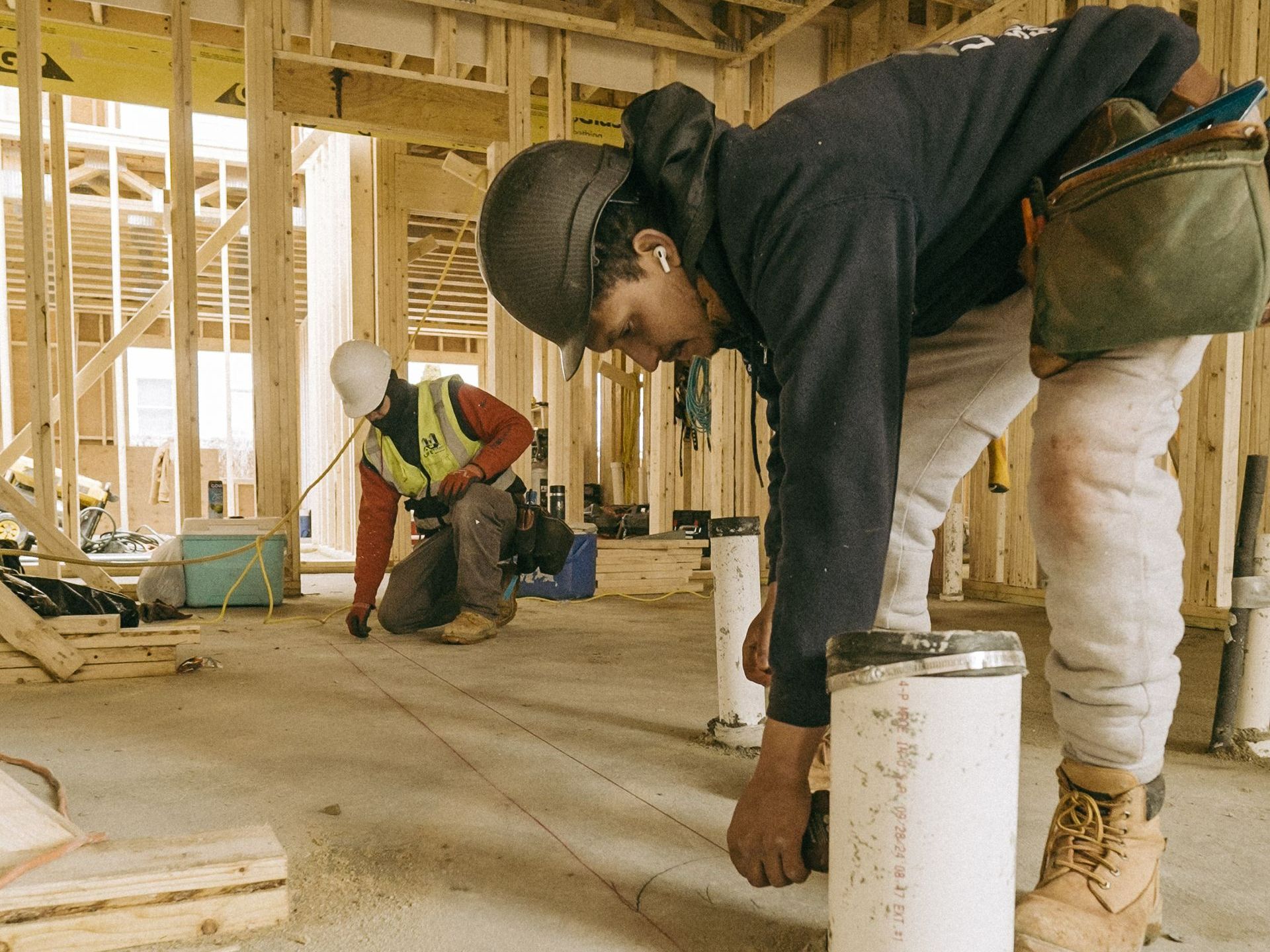
Now imagine working with Lifetime Contractors. One team handles everything. The framing is engineered for optimal drainage, the roofing is installed with weather-resistant underlayment, and the siding is sealed to perfection. Issues like wind-driven rain or snow buildup are addressed proactively, not reactively. The result? A durable, weather-tight structure completed on time and within budget.

The smart choice for your project

A Full Weather-Tight Package contractor like Lifetime Contractors eliminates the chaos of juggling multiple teams while ensuring your project is protected against the elements. With streamlined communication, cost savings, and a focus on quality, we turn construction stress into confidence.


Ready to build a weather-tight, worry-free project?
Contact Lifetime Contractors today – where expertise meets excellence, rain or shine.

June 29, 2026
Massachusetts added 70,000 residents in a single year — the largest population gain the state has seen in six decades. That's not a housing market trend. It's a construction signal. And buried inside the U.S. Census Bureau's Vintage 2024 data, released in May 2025, is something more useful than a statewide headline: five specific communities where that growth hit harder than anywhere else in the state, and where the zoning environment has changed in ways that make residential development viable at a scale it wasn't two years ago. The Census Vintage 2024 sub-county estimates — the most recent city- and town-level data available as of mid-2026 — showed 283 of Massachusetts' 351 municipalities gaining population between July 2023 and July 2024. The Census Vintage 2025 state-level data, released by UMass Donahue in January 2026, shows Massachusetts grew at just +0.2% in the year ending July 2025 — a sharp deceleration from the prior year's +1.0%, driven by a national drop in international immigration. City-level Vintage 2025 estimates have not yet been released. The growth rates below reflect the 2023–2024 surge; 2025 municipal figures will likely be more modest. What doesn't change is the structural picture: a 3% rental vacancy rate in Greater Boston and by-right zoning now unlocked in communities that historically blocked density. 1. Stoneham — +6.3% No municipality in Massachusetts grew faster in the 2023–2024 period than Stoneham, which added 1,452 residents in a single year — a 6.3% increase that topped every other city and town in the state. Stoneham sits along Route 28 and Route 93, roughly eight miles north of downtown Boston, without commuter rail but with strong highway access to the Orange Line at Malden Center and Route 93 connectivity south toward the Green Line extension corridor in Medford and Somerville. The town's Route 28 overlay district has been identified as one of the primary development corridors. For a developer evaluating infill sites north of Boston, Stoneham's combination of top-state growth rate, transit proximity, and recently unlocked zoning makes it a market that deserves serious underwriting attention. 2. Woburn — +4.3% Woburn added 1,812 residents in the same one-year period — the fourth-largest numeric gain in the state — at a 4.3% growth rate, putting it in a category of its own among the inner-north suburbs. The city has commuter rail service on the Lowell Line at the Anderson Regional Transportation Center, a natural anchor for transit-oriented development. For GCs negotiating subcontractor scopes on multifamily projects north of Boston, Woburn has an identifiable project pipeline, willing developer capital, and a 7-day market that tells you demand hasn't softened. 3. Wakefield — +3.9% Wakefield grew by 3.9% over the same period, placing it third in the state on percentage growth. Like Stoneham and Woburn, it sits in Middlesex County with commuter rail access on the Haverhill Line providing a direct connection to North Station in Boston. Wakefield's median home values have been rising faster than nearby communities. The town's relatively small geographic footprint and limited infill inventory mean that development sites that do come to market tend to move quickly. For investors evaluating land acquisition north of Boston, Wakefield's combination of 3.9% population growth, commuter rail access, and a zoning environment that now allows by-right multifamily creates a narrower acquisition window than Woburn, but delivers a premium price-per-unit profile on completion. 4. North Reading — +3.2% North Reading's 3.2% growth rate makes it the fourth-fastest growing community in the Vintage 2024 data. It's a Route 128 corridor town with lower land costs than its neighbors, a smaller downtown core, and a development history dominated by single-family residential. For developers working with more modest capital stacks, North Reading's lower land basis compared to Woburn or Stoneham — combined with real demand pressure — offers a longer runway on return profiles, particularly in for-sale townhome and small multifamily formats.
June 15, 2026
The exterior cladding decision on a development project doesn't make headlines. It doesn't show up on a pitch deck. But it shapes the asset's operating costs, maintenance calendar, and market positioning for the next 30 to 40 years — and in Massachusetts, where building code requirements, climate exposure, and tenant expectations all run above the national baseline, that decision has a right answer more often than most people in the industry acknowledge. Fiber cement has become the dominant specification for multifamily and commercial exteriors in New England for reasons that compound on each other: durability, code compatibility, design flexibility, and a maintenance profile that protects the asset long after construction is complete. In 2024, fiber cement accounted for 23% of all exterior wall cladding on new U.S. residential construction, according to the National Association of Home Builders.
May 29, 2026
Scheduling rarely shows up on a risk register until it's already a problem. By then, it's driving everything else — cost overruns, quality gaps, strained client relationships, and the kind of envelope delays that haunt projects straight through the timeline. The envelope phase is where the calendar is most at risk. Framing, siding, and roofing have to happen in sequence, in close coordination. When multiple subcontractors own separate scopes, that coordination becomes one of the most fragile parts of the entire project.
By Hemilly Gomes April 30, 2026
Massachusetts has a housing problem — and the construction industry is finally starting to catch up. While Greater Boston grabs most of the headlines, three cities just outside its center are quietly becoming some of the most active residential construction markets in the region: Lawrence, Revere, and Worcester. If you're a general contractor or developer working within an hour of Boston, these three markets are worth your full attention right now.
By Hemilly Gomes April 24, 2026
Somerville, Massachusetts has been one of the most active construction markets in the Greater Boston area for years, and 2026 is no exception. From dense residential infill to large multi-family developments, the demand for reliable, high-quality contractors continues to grow alongside the city itself. Lifetime Contractors is proud to be right in the middle of that growth — and one project currently underway in Somerville stands as a strong example of what our team brings to every job site.
By Hemilly Gomes March 3, 2026
The start of 2026 has already been a busy and productive season for Lifetime Contractors, with multiple residential and mixed-use developments moving forward across Greater Boston. From framing multi-unit housing to completing exterior systems and decks, our crews have been fully engaged in projects that contribute directly to the growth of local communities. For more than two decades, Lifetime Contractors has built its reputation in Massachusetts by delivering reliable wood framing and exterior construction services with consistency and precision. Our work is rooted in strong partnerships, disciplined execution, and a deep understanding of how structure, schedule, and quality intersect on active job sites. Here is a closer look at some of the projects currently in progress and what is happening on the ground so far in 2026. Harvard Street, Dorchester On Harvard Street in Dorchester, we are currently involved in three separate developments that will bring a total of thirteen affordable housing units to the area. Our team has been responsible for executing structural framing across these sites, ensuring that each building has a solid and code-compliant foundation. These developments reflect our long-standing commitment to supporting community-driven housing initiatives throughout Massachusetts.
February 24, 2026
Wood framing has shaped how America builds homes for more than two centuries, and it continues to define residential construction across the country today. From early colonial settlements to modern suburban developments, wood framing remains the structural backbone of most single-family houses in the United States. While the core concept of wood framing has remained consistent, the materials, techniques, and performance expectations have evolved significantly over time. At the same time, insulation has completely transformed how wood framing performs, turning basic structural systems into highly efficient building envelopes designed for comfort, durability, and energy savings. In this article, we’ll explore: How wood framing developed in the United States How insulation reshaped residential construction Why wood framing continues to dominate the American housing market The early foundations of wood framing in America In the 1700s and early 1800s, homes in the United States were built using heavy timber framing, a labor-intensive method that relied on large wooden beams and complex joinery techniques. Builders crafted mortise-and-tenon joints by hand, which required skill, time, and considerable effort to assemble properly. Although heavy timber framing created durable structures, it demanded specialized craftsmanship and was not easily scalable as the population grew and communities expanded westward. As settlers moved across the country during the 19th century, there was a growing need for faster and more affordable construction methods that could keep pace with rapid development. That demand led to the rise of balloon framing, a revolutionary advancement in wood framing that replaced massive beams with lighter dimensional lumber. Instead of intricate joinery, builders used mass-produced nails to fasten framing members together, dramatically speeding up the construction process. Balloon wood framing allowed long vertical studs to run continuously from the foundation to the roofline, which simplified assembly and reduced labor costs. This innovation made wood framing more accessible and helped fuel the expansion of cities and emerging suburban neighborhoods throughout the country. The transition to platform wood framing Although balloon framing played a significant role in American construction, it gradually gave way to platform framing in the early 20th century. Platform wood framing, which remains the standard system used in the United States today, introduced a safer and more efficient way to build multi-story homes. Instead of running studs continuously through multiple floors, platform wood framing constructs each level independently, creating a solid floor platform before framing the next story above it. This method improves fire safety, simplifies the installation of plumbing and electrical systems, and enhances overall structural stability. Platform wood framing also reduces material waste and allows crews to work more efficiently, since each level provides a stable working surface for the next stage of construction. Over time, this approach became the preferred method for residential building and remains dominant across the country. Today, when most people refer to wood framing in residential construction, they are describing the platform framing system that defines modern American homebuilding. How insulation transformed construction In the early days of American construction, wood framing provided structure but offered limited thermal performance, as insulation was minimal or nonexistent. Homes relied heavily on fireplaces, wood stoves, and thick wall assemblies to maintain indoor comfort, particularly in colder climates. As building science advanced in the mid-20th century, insulation became an essential component of wood framing systems rather than an afterthought. The widespread adoption of fiberglass batt insulation allowed builders to install thermal protection directly between wall studs, significantly improving energy efficiency. Over time, insulation materials expanded beyond fiberglass to include blown-in cellulose, spray foam insulation, rigid foam board, and mineral wool products. Each of these insulation systems enhanced the performance of wood framing by improving temperature control, reducing air leakage, and increasing overall comfort. Modern wood framing no longer functions solely as structural support; it works in coordination with insulation, air barriers, and moisture management systems to create a complete building envelope. In many states, building codes now require specific insulation values within wood framing assemblies to meet energy efficiency standards. Wood framing and energy performance One of the primary reasons wood framing continues to dominate residential construction in the United States is its compatibility with modern insulation strategies. Wood naturally offers better thermal performance than materials like steel, which makes wood framing assemblies easier to insulate effectively. When wood framing is combined with properly installed insulation and air sealing techniques, homeowners benefit from lower utility bills and more consistent indoor temperatures year-round. Advanced framing methods, sometimes referred to as optimum value engineering, reduce unnecessary lumber and increase cavity space for insulation. This approach improves energy performance without compromising structural integrity, which makes wood framing both efficient and practical. In addition, continuous exterior insulation can be applied over wood framing to reduce thermal bridging and further enhance overall performance. These improvements allow wood framing systems to meet today’s increasingly strict energy codes while remaining cost-effective and widely accessible. Why wood framing continues to lead the market Despite the availability of alternative building systems such as steel and concrete, wood framing remains the preferred method for most residential projects in the United States. The reasons are practical and consistent across regions. Wood framing materials are widely available and competitively priced, which helps control construction budgets without sacrificing structural integrity. Construction crews are extensively trained in wood framing techniques, which supports faster build times and predictable project schedules. In addition, wood framing integrates seamlessly with modern insulation systems, making it easier to achieve energy efficiency targets required by today’s building codes. Responsibly sourced wood also supports sustainability efforts, since it is renewable and stores carbon throughout its lifecycle. Wood framing and insulation as a unified system It is important to recognize that wood framing and insulation should never be treated as separate decisions during construction. Instead, they function as interconnected components of a larger system designed to manage structure, energy performance, and moisture control. Properly installed insulation within wood framing cavities improves comfort, reduces drafts, and minimizes condensation risks that can lead to mold or structural deterioration. When wood framing remains dry and protected through effective moisture management, the long-term durability of the structure significantly improves.
By Hemilly Gomes February 4, 2026
Exterior construction has entered a phase where innovation is no longer limited to aesthetics or surface-level upgrades. Today, materials and installation techniques are evolving to deliver better performance, longer lifespans, and more predictable outcomes for complex projects. For developers and general contractors planning high-end residential, commercial, or mixed-use developments, staying ahead of these advancements is becoming a competitive advantage rather than a nice-to-have. Modern exterior systems are now designed to work as integrated assemblies, combining cladding, moisture control, ventilation, and structural efficiency in ways that improve durability while simplifying execution. These innovations are changing how buildings are planned, built, and maintained, especially in markets where performance, sustainability, and long-term value are part of the decision-making process. Composite siding and engineered cladding systems One of the most significant shifts in exterior construction has been the growing adoption of composite and engineered siding materials. These products are designed to outperform traditional wood-based cladding by offering greater resistance to moisture, temperature fluctuations, and biological degradation, while maintaining a refined architectural appearance. Composite siding systems provide dimensional stability, meaning they are less prone to warping, swelling, or cracking over time. This consistency simplifies installation, improves alignment, and reduces callbacks related to material movement. For large-scale projects, these advantages translate directly into efficiency, because predictable materials reduce jobsite adjustments and long-term maintenance concerns. From a developer’s perspective, these systems support both performance and brand perception, since buildings retain their intended appearance longer and require fewer interventions as they age. Advanced moisture barrier and air control systems Innovation in exterior construction is not limited to what is visible. Behind the cladding, moisture barrier and air control systems have seen major advancements, becoming more integrated, durable, and reliable than earlier generations of building wraps and membranes. Modern barrier systems are designed to manage water, air, and vapor simultaneously, reducing the risk of condensation, mold growth, and energy loss. These systems work best when installed as part of a coordinated assembly, rather than as isolated layers added by different trades at different times. Improved membranes and flashing solutions allow for tighter building envelopes, better indoor comfort, and stronger protection against moisture intrusion. For general contractors, this reduces the likelihood of envelope-related failures that often surface years after project completion, protecting both the building and the reputation of those involved. Ventilated rainscreen assemblies Ventilated rainscreen systems are increasingly being specified in high-performance projects, particularly where durability and moisture management are critical. These assemblies introduce a controlled air gap between the cladding and the structural wall, allowing moisture to drain and dry more effectively. Rainscreen systems improve the longevity of exterior materials by reducing prolonged exposure to trapped moisture. They also enhance thermal performance and contribute to more stable interior conditions. While they require precise planning and execution, their long-term benefits often outweigh the added complexity. For projects focused on quality and resilience, rainscreens represent a shift toward proactive performance rather than reactive maintenance. Installation techniques that maximize performance Innovative materials only deliver their full value when installed correctly. Modern exterior construction places greater emphasis on sequencing, coordination, and precision to ensure that each system performs as intended. Installation techniques now focus on integration rather than isolation, ensuring that framing, insulation, moisture control, cladding, windows, and roofing work together as a unified envelope. This approach improves efficiency during construction and enhances long-term building performance. For general contractors, working with teams that understand these techniques reduces friction between trades and supports smoother project execution. Innovation as a strategic asset For developers and construction firms, adopting modern exterior materials and techniques is not simply about keeping up with trends. It is about delivering buildings that perform better, last longer, and reflect thoughtful decision-making. Projects that incorporate advanced systems tend to experience fewer envelope-related issues, lower maintenance costs, and stronger occupant satisfaction. Over time, these outcomes reinforce trust and credibility in the market. Innovation, when applied with expertise, becomes a strategic asset that supports both operational success and long-term reputation. Lifetime Contractors and forward-thinking execution Lifetime Contractors brings hands-on experience and technical understanding to the installation of modern exterior systems, including composite siding, advanced moisture barriers, rainscreen assemblies, and integrated facade solutions.
By Hemilly Gomes January 19, 2026
Every construction project begins well before materials arrive on site, and its impact continues long after the final inspection is signed off, shaping outcomes that extend far beyond schedules, budgets, and technical checklists. For developers, general contractors, and large construction firms, a project is never just a building, because it becomes a reflection of planning, judgment, and standards that will ultimately define how that company is perceived in the market. In construction, reputation is rarely built through branding or promotion alone. It is formed through lived experience, repetition, and memory, created by the people who live, work, and move through the spaces you deliver. The quality of a project, both in what is visible and in what remains behind the walls, becomes an asset that carries your name long after construction is complete. That is why craftsmanship, planning, and execution are not simply operational considerations, they are long-term strategic decisions. Every decision leaves a lasting impression From the earliest planning stages, the choices made on a project begin shaping its long-term value. Material selection, crew experience, coordination between trades, and the consistency of execution all influence how a building performs and how it feels to the people who occupy it every day. Developers and general contractors understand that materials are never just line items. Choosing products that stand up to moisture, mold, temperature swings, pests, and long-term wear affects not only durability, but also future maintenance costs, occupant comfort, and the overall integrity of the structure as it ages. The same logic applies to the teams brought onto a project. Framing crews, insulation installers, siding professionals, roofers, deck builders, HVAC teams, plumbers, and electricians are all contributing to a shared outcome. Each decision about who performs that work influences how well systems integrate, how smoothly the project moves forward, and how few issues surface once the building is in use. When teams are selected for experience, training, and reliability, rather than speed alone, the difference shows up in quieter buildings, tighter envelopes, cleaner finishes, and fewer problems down the road. Planning that supports long-term performance Strong planning does more than meet code requirements or pass inspections. It considers how people will use the space, how the building will respond to real-world conditions, and how it will perform year after year. Thoughtful layouts improve flow and usability in both residential and commercial environments. Exterior assemblies designed with care help manage moisture, thermal performance, and durability. Material choices that balance function and aesthetics contribute to buildings that feel intentional rather than temporary. While these decisions may seem abstract during construction, they become very real in daily life. People notice when spaces feel comfortable, when maintenance issues are rare, and when buildings age gracefully instead of showing early signs of wear. Over time, those experiences shape perception, and perception shapes reputation. The role of beauty and quality of life In construction, beauty is sometimes treated as secondary, yet its impact is deeply practical. Well-designed and well-built spaces influence mood, productivity, and how people care for their surroundings. Environments that feel cohesive and thoughtfully executed tend to be respected and maintained more carefully by the people who use them. When materials align properly, finishes feel intentional, and systems work quietly in the background, occupants associate those outcomes with quality. That association does not stay limited to the building itself. It extends to the developers, contractors, and construction teams responsible for delivering it. Projects that balance function, durability, and visual appeal often become reference points, shaping how future clients evaluate similar work. Execution and its compounding effect on reputation In construction, reputation builds gradually and compounds over time. Each project adds another data point to how a company is known within the industry and among end users. Firms recognized for careful planning, reliable execution, and consistent results tend to attract stronger partnerships, more complex opportunities, and long-term relationships built on trust. On the other hand, projects that prioritize short-term savings at the expense of quality often carry hidden costs, including higher maintenance, early material failure, and reputational damage that can follow a company for years. Execution becomes a quiet but powerful signal of values, one that speaks long after a project is delivered. Where Lifetime Contractors add value Lifetime Contractors understands that construction success is measured not only by completed scopes, but by how well those scopes support the overall vision of the project. With more than ten years of experience in the construction market, Lifetime Contractors works closely with developers, general contractors, and construction firms who value precision, coordination, and accountability. Their teams are fully insured, OSHA 10 and OSHA 30 trained, and experienced in delivering framing and exterior services that integrate smoothly into larger project plans. This experience allows Lifetime Contractors to understand how their work affects other trades, project sequencing, and the final perception of the building. Strong framing supports better insulation performance, accurate exterior work protects long-term durability, and careful execution contributes to spaces that function well and maintain their value over time. Reputation is built across every project In construction, reputation is earned through consistency. It is shaped by the decisions made at every stage of a project, from planning and material selection to execution and final delivery. For developers and contractors planning new projects, the focus extends beyond completing the build. It includes how the project will be remembered by the people who use it and by the partners who helped bring it to life. Choosing experienced teams, durable materials, and execution-driven partners strengthens not only the project itself, but also the long-term reputation of everyone involved.  Lifetime Contractors is available to support projects where quality, experience, and thoughtful execution matter, offering collaboration, insight, and reliable delivery for teams who understand that what they build today shapes how they are known tomorrow.
By Hemilly Gomes December 31, 2025
In 2025, Massachusetts continued to demonstrate strong momentum across the construction landscape. The year brought steady growth, new development activity, and a market increasingly focused on efficiency, performance, and long-term value. As demand evolved, so did project expectations, and the industry as a whole continued moving toward higher standards in scheduling, coordination, and exterior envelope performance. Within this environment, Lifetime Contractors is proud to have contributed by supporting general contractors and developers with dependable execution in wood framing, siding, roofing, decking, and complete weather-tight shell delivery.  Honoring the partnerships that shape our work As we close out the year, it’s a natural moment to reflect on the relationships that drive our mission forward. For us, that means the general contractors, developers, site teams, architects, and project managers who rely on Lifetime Contractors as a trusted component of their construction strategy. We are grateful for our long-standing partners who continue to choose our team year after year, and equally appreciative of the new collaborations formed throughout 2025. 2025 project highlights Throughout 2025, Lifetime Contractors supported a wide range of developments across Massachusetts, delivering high-performance shells with speed, structure, and consistency. From large-scale multifamily framing to complex siding systems, our teams were trusted to execute scopes that included roofing, decking, WRB, and full weather-tight envelope delivery. We approached each job with clear communication and a commitment to quality. We’re proud to have contributed to these projects and thankful to every general contractor and developer who brought us on board. Looking ahead to 2026 The outlook for 2026 is strong, with both private and public sectors signaling continued development activity. Opportunities in multifamily, mixed-use, and public infrastructure are expanding, and the market remains optimistic about the coming years. As project timelines become increasingly dependent on skilled manpower and efficient coordination, Lifetime Contractors has strengthened its team and refined its delivery process to meet the demands of the new season. Whether it’s framing, siding, roofing, decking, or complete building envelope delivery, our focus remains unchanged: schedule integrity, safety, and consistent field execution. Thank you, from our entire team As 2025 wraps up, we feel proud and deeply grateful. To our clients: thank you for trusting us with your schedules, your scopes, and your expectations. To our partners in the field: thank you for the clarity, collaboration, and professionalism you bring to every job. To our team: your dedication, precision, and discipline continue to define the strength of this company. We are excited for what’s ahead. Here’s to strong builds, stronger partnerships, and another year of doing it right.