How a Framing Contractor Can Make or Break Your Multifamily Schedule
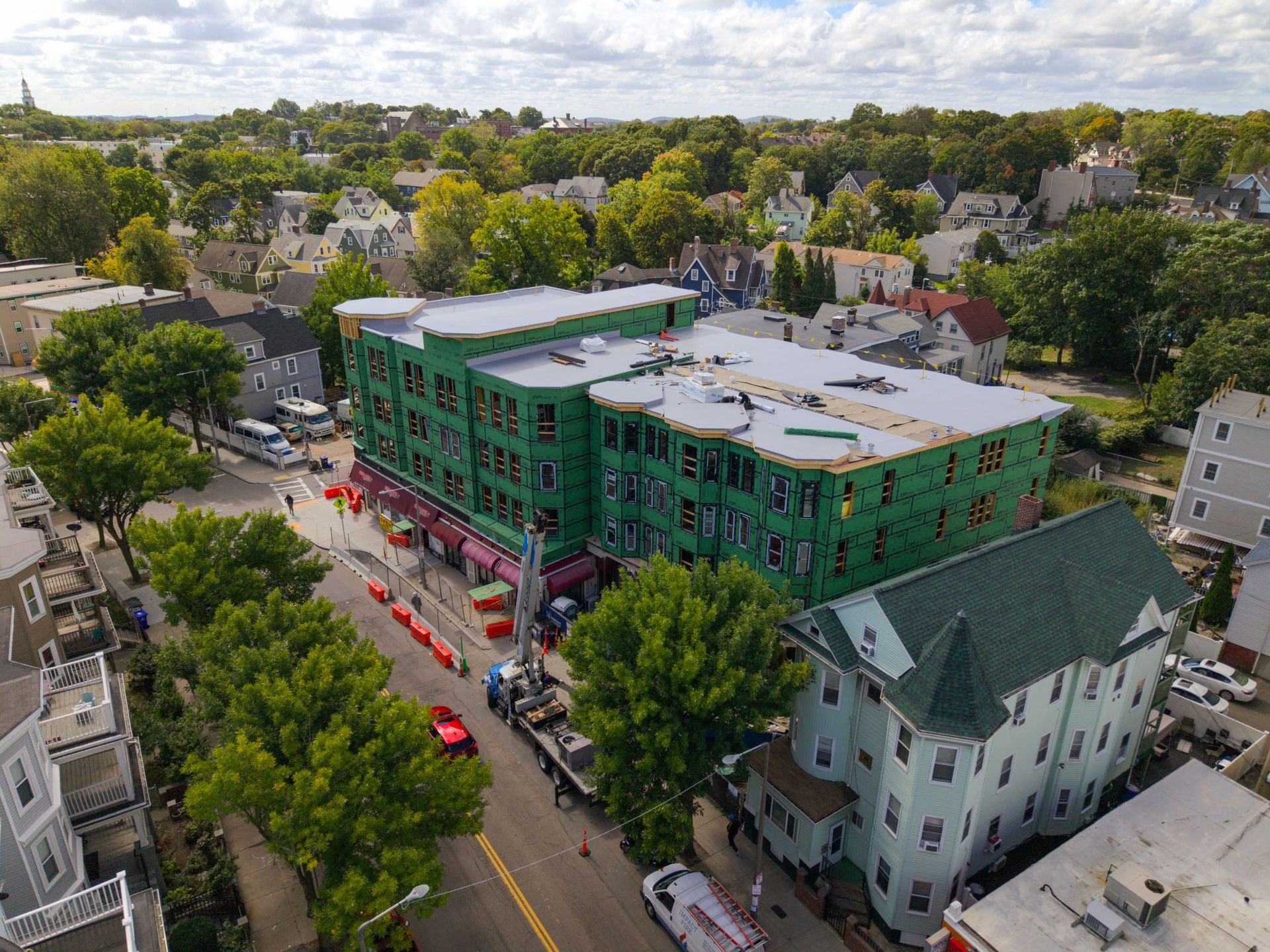
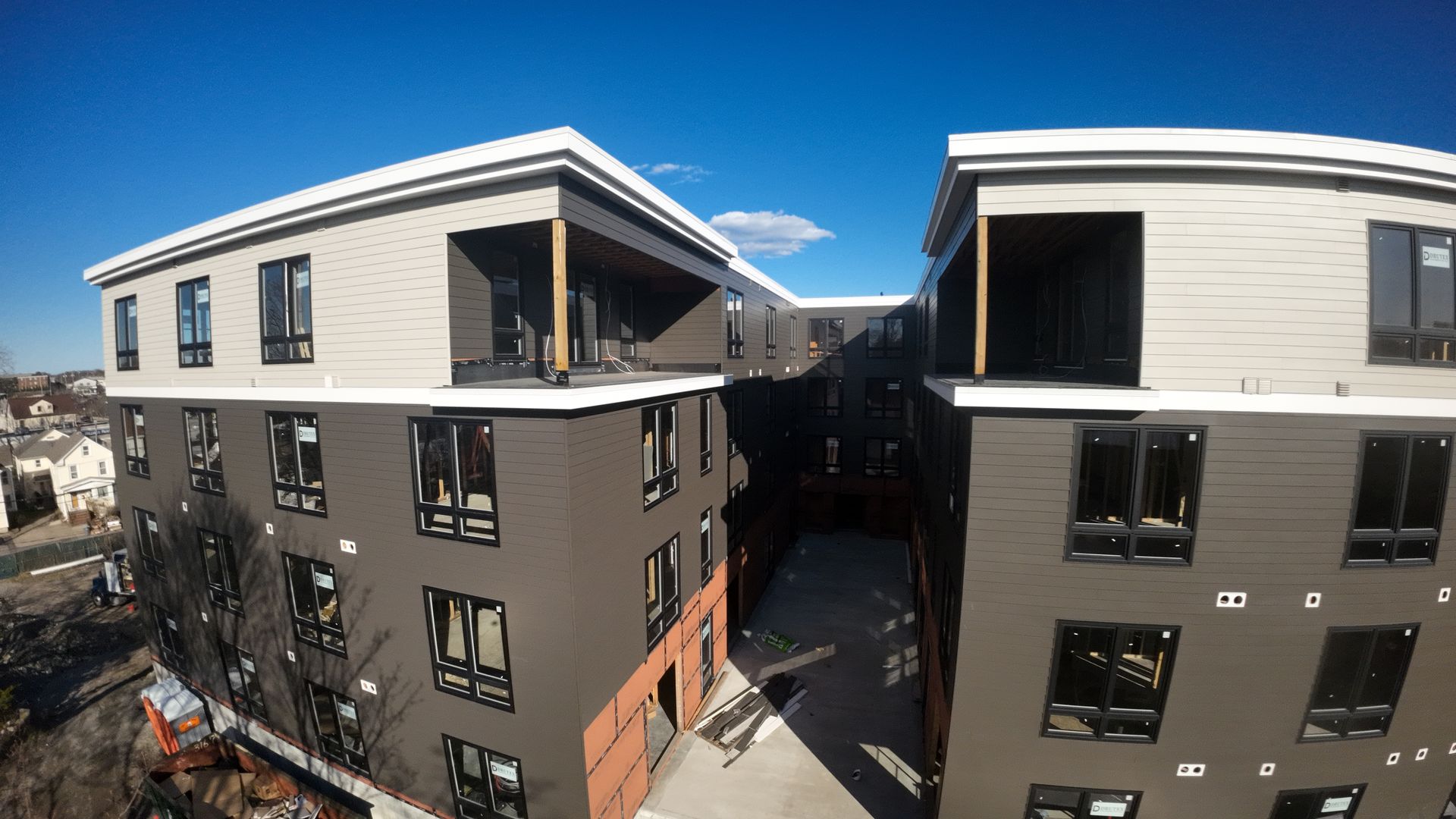
On a multifamily project, the framing contractor sets the pace for everyone else on site. Framing is the phase that gives almost every trade behind it permission to move. Roofing, windows, mechanical rough-ins, plumbing, electrical, insulation, siding, and interior work all depend on a structure that is ready, accurate, and delivered on the date the schedule promised. When framing stays on track, the project builds momentum. When it slips, the delay rarely stays in framing.
That is why hiring a framing contractor on price alone can become one of the most expensive decisions a general contractor makes.
How One Framing Delay Spreads Across the Multifamily Construction Schedule
A few lost days may look small on paper. On an active building, those days touch every subcontractor who has already lined up crews, equipment, deliveries, and inspections around the framing completion date.
Delays are still a normal part of this market. In NMHC's June 2026 quarterly survey of apartment builders and developers, 63% said delays were unchanged from three months earlier, and 20% reported fewer. Only 3% reported more.
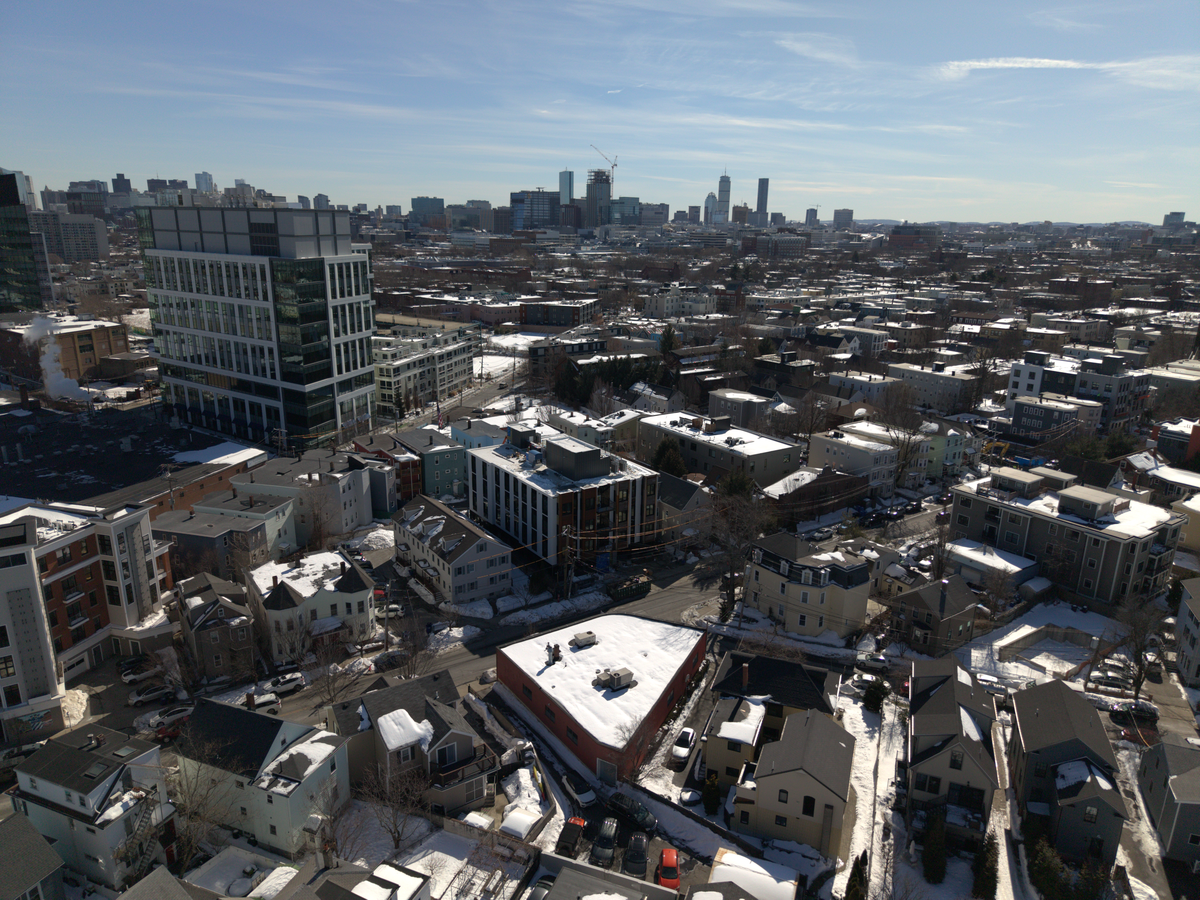
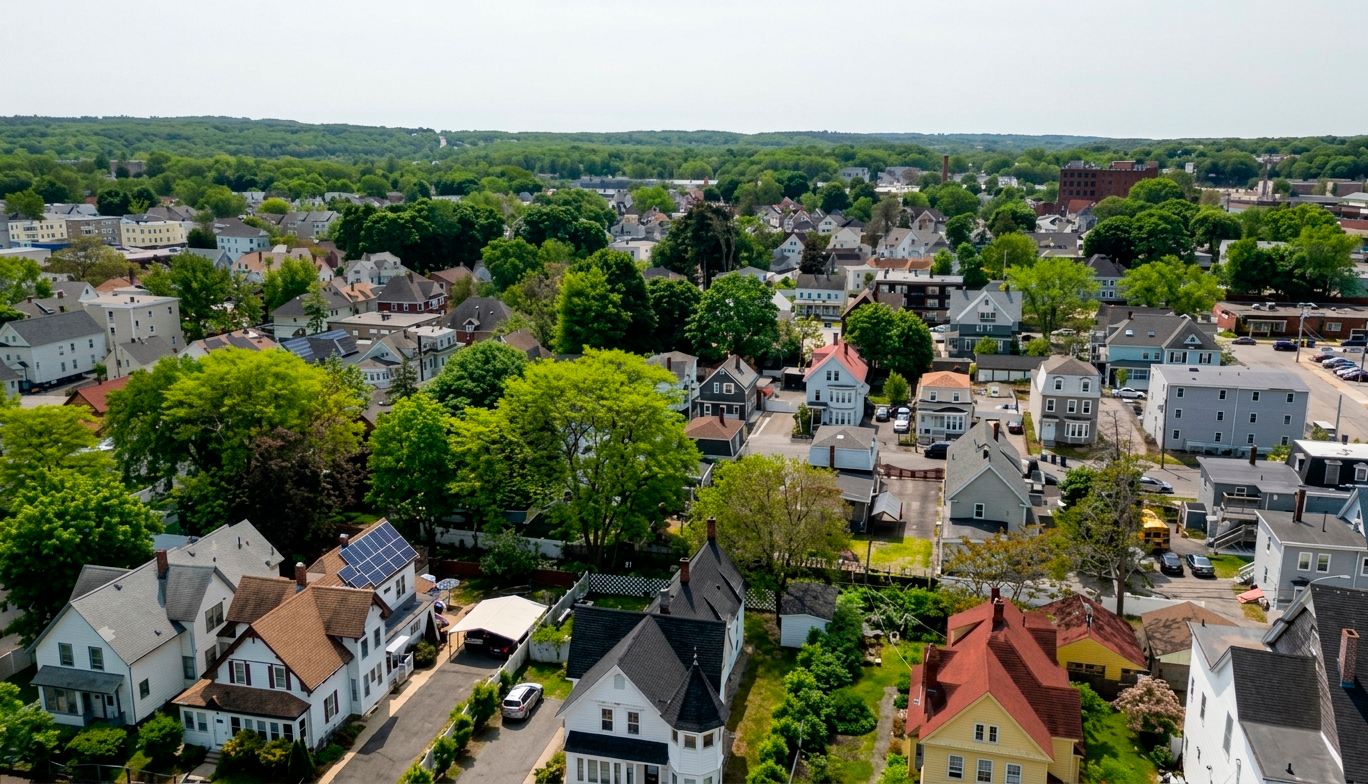
Massachusetts makes recovery harder. Winter shrinks the working window, so time lost in fall is difficult to win back. The state's own construction finance explainer notes that moderate or large multifamily projects on complex sites can easily run one to two years, and the
state's housing plan calls for 222,000 new homes. Every phase has to hand off cleanly to the next one.
Predictability Is Just as Important as Production Itself
Speed counts in multifamily framing, particularly on larger buildings. A crew that moves fast one week and unpredictably the next, however, does little for the master schedule.
The better question for a GC is simple: can this framing contractor consistently produce what it committed to?
Answering yes takes manpower planning, field supervision, material coordination, equipment planning, and steady communication with the superintendent. It also takes the ability to spot problems before they stop production.
The labor market makes this harder to find. The 2026 AGC and NCCER Workforce Survey, released in September, found that 87% of firms have openings for hourly craft positions. Among those firms, 88% say the openings are as hard or harder to fill than a year ago. Field leadership is just as tight, with 75% of firms that have superintendent openings reporting difficulty finding qualified candidates.
So a bid review should look closely at crew depth and field supervision. A framing contractor with a stable crew and experienced leaders is easier to schedule around.
At Lifetime Contractors, we treat framing as an operation. Our project managers and field leadership coordinate manpower and production around the GC's schedule, so the GC always knows where the project stands and what comes next.
Accurate Wood Framing Protects Every Trade That Follows
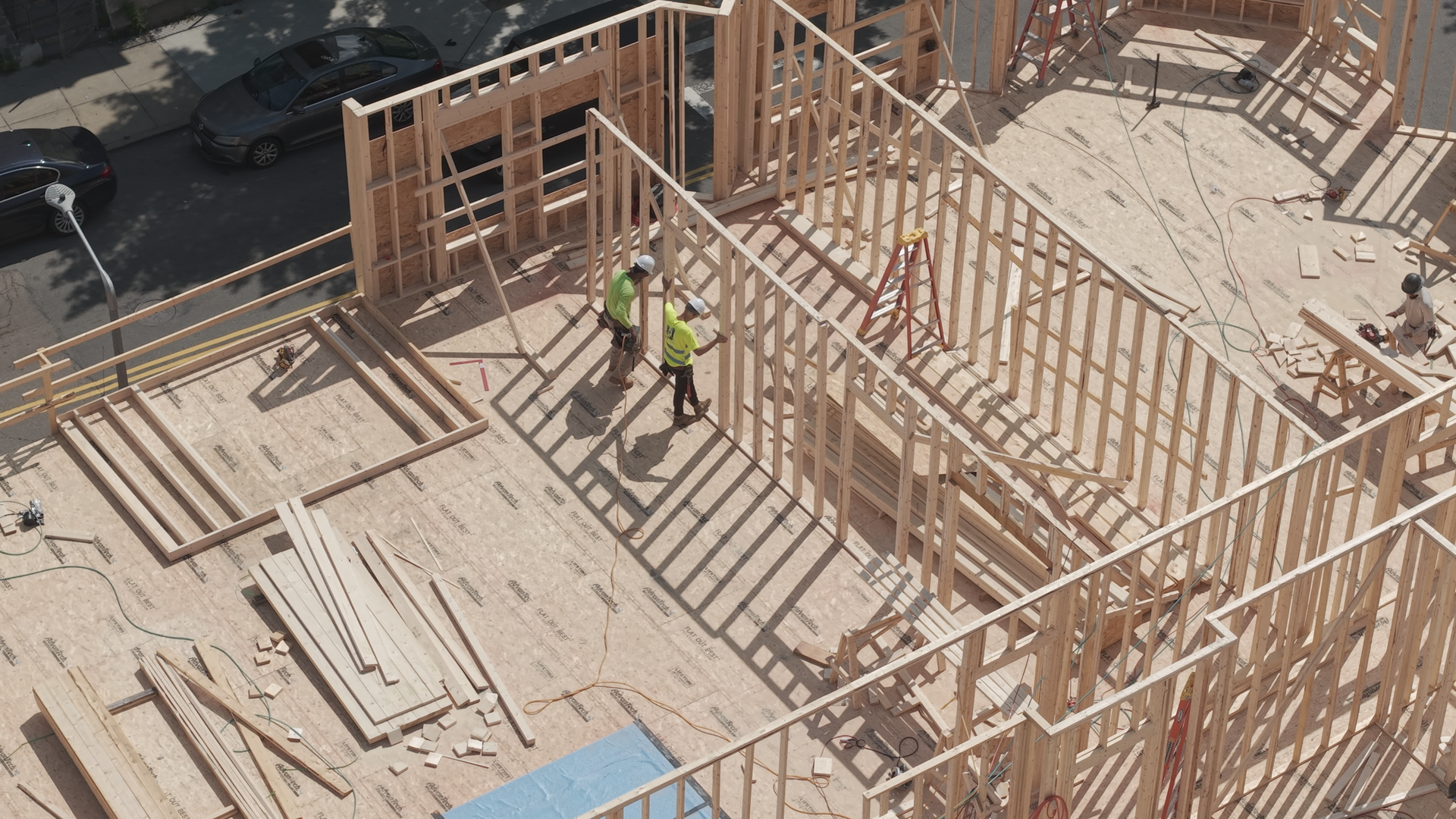
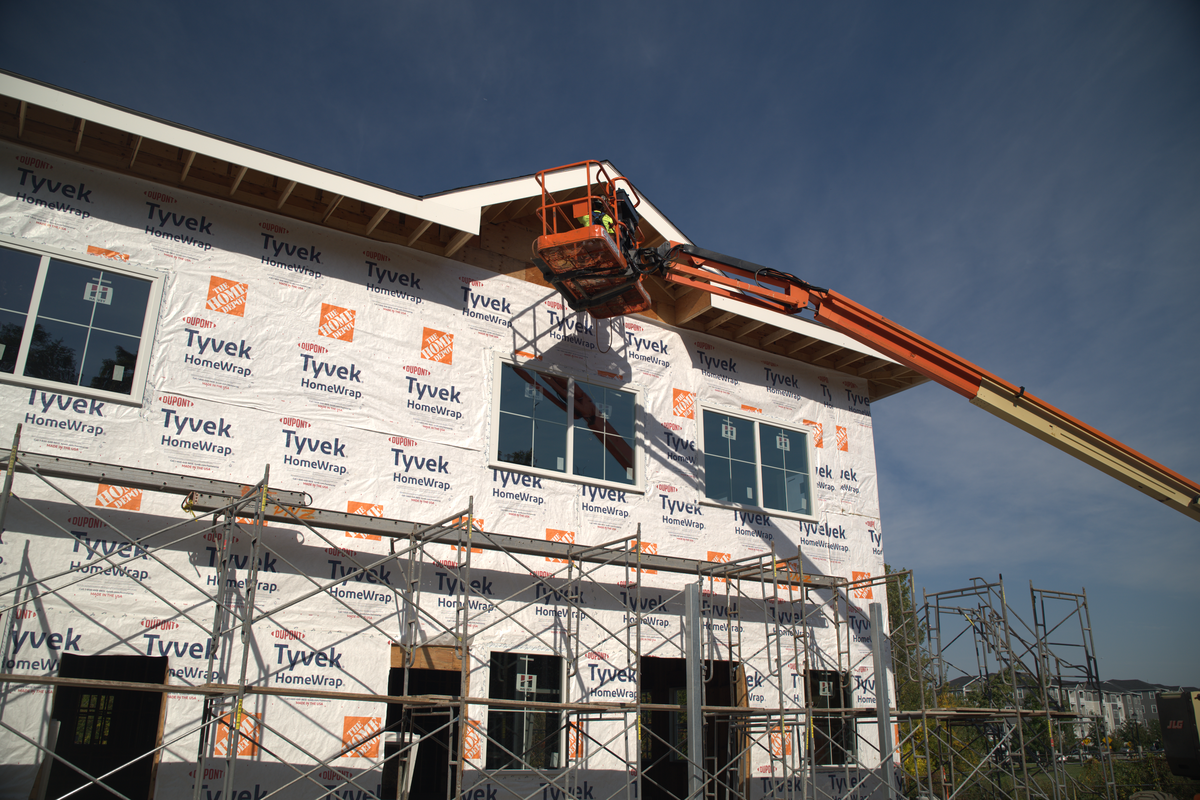
Speed without accuracy creates rework. Walls that aren't plumb, openings that don't match the plans, wrong elevations, missing blocking, or details that don't coordinate with the structural drawings all get discovered eventually. Sometimes right away. Sometimes after windows, MEP rough-ins, roofing, or siding have started.
The later the discovery, the more expensive the fix. A 2026 ASCE study that tracked one contractor's projects found field rework costs had been underreported by about 300%. Rework tends to hide in daily labor hours, which is why it surfaces late.
On multifamily buildings, layouts repeat across floors and units. One wood framing mistake can be repeated dozens of times before anyone catches it.
Good wood framing means building accurately enough that the trades behind the crew can do their own work without stopping to correct what came before.
Communication From the Field Keeps Small Problems Small
One of the biggest frustrations general contractors share with us is hearing about problems too late. Construction always has problems. Timing is what makes them manageable.
A framing contractor should report manpower, production, missing information, plan conflicts, material needs, change orders, and potential schedule impacts while there is still time to act. That makes the framing contractor, superintendent, project manager, and GC one team.
7 Questions to Ask Before Awarding a Framing Contract
The lowest number on bid day doesn't always turn into the lowest final price. Before awarding a large framing package, GCs and developers should ask:
- Who will manage the project in the field?
- Does the framing contractor have enough manpower to support the schedule?
- How does the framing contractor track production and report progress?
- Has the framing contractor's team worked on projects of similar size and complexity?
- How are plan conflicts and change orders identified and documented?
- What happens when the schedule changes?
- Can the framing contractor support additional exterior scopes after framing is complete?
The answers say much more about how the project will run than the price at the bottom of a proposal.
Framing Is Where the Project Starts Gaining or Losing Time
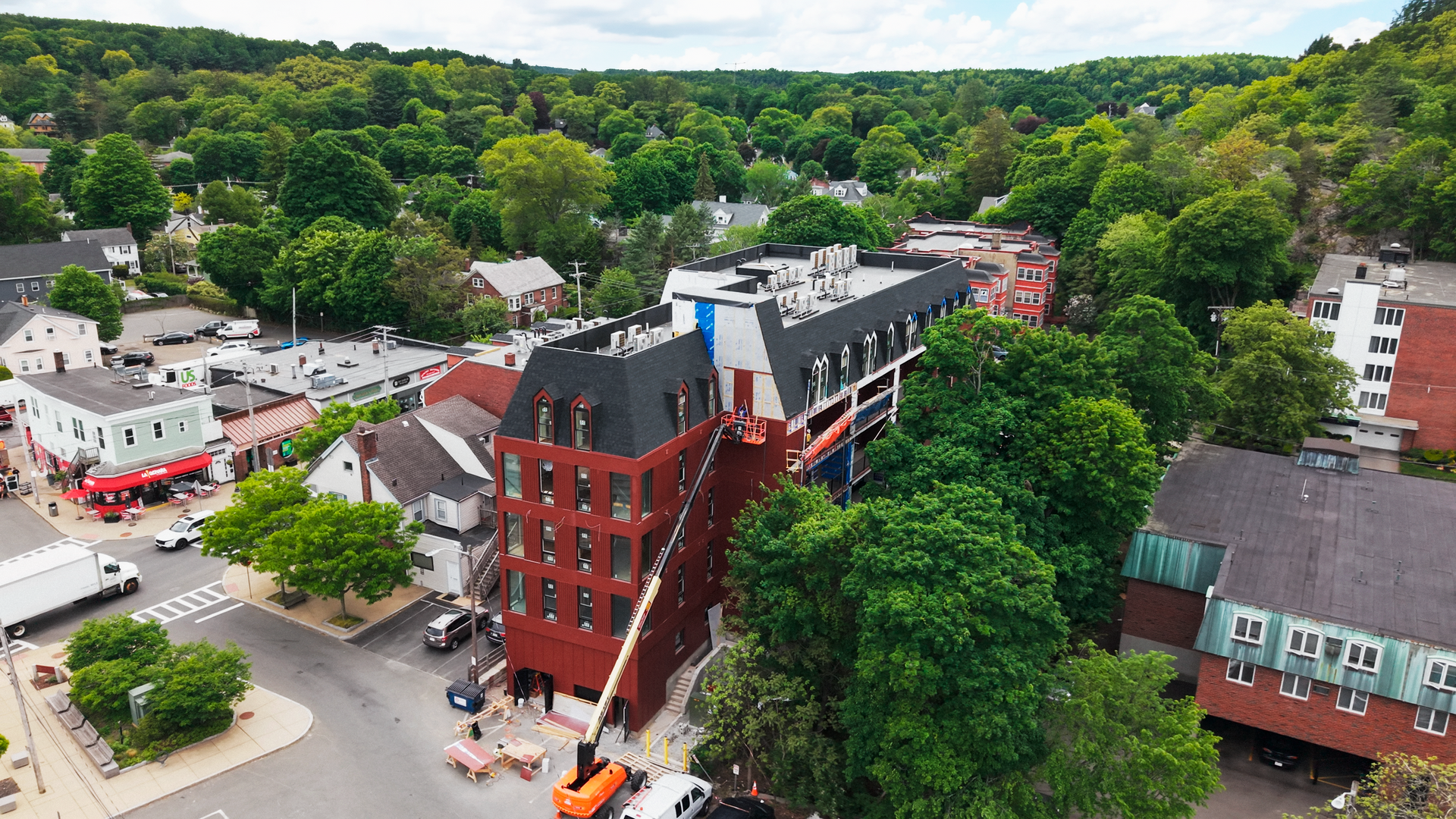
At Lifetime Contractors, wood framing remains at the center of what we do. Since 2015, our teams have completed hundreds of projects across Massachusetts and framed more than 2.5 million square feet, from residential construction to larger multifamily developments.
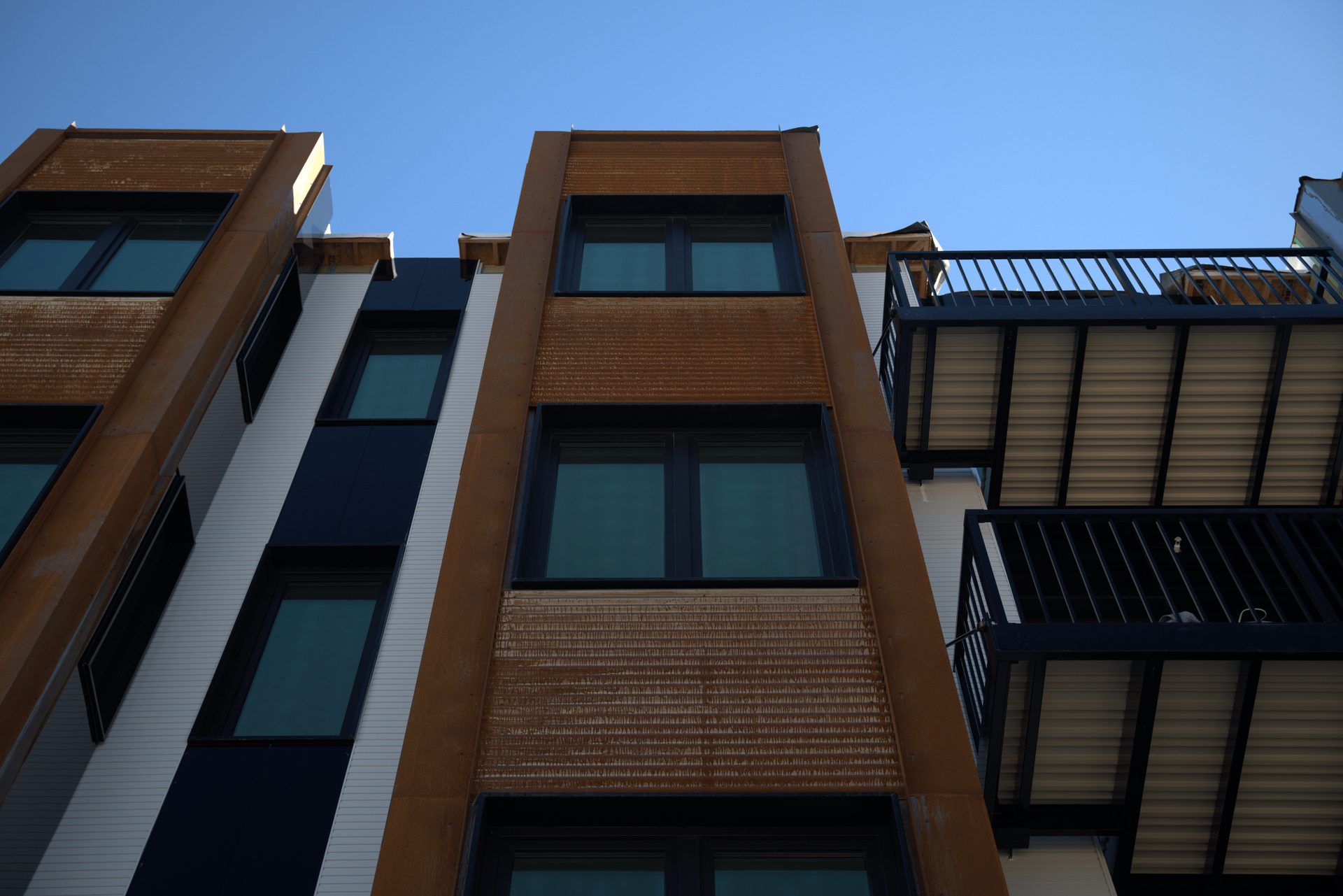
Our siding, roofing, and decking teams let us keep supporting the project after framing through our Weather Tight Package. The principle stays the same: quality people, clear communication, strong field leadership, and reliable execution.
On a multifamily project, the framing contractor is responsible for handing the next trade a building that is ready for them. When that happens every time, the whole construction schedule works better.
Ready to Talk About Your Next Project?
If you're a general contractor or developer planning a multifamily or new-construction project in Massachusetts, Lifetime Contractors is ready to review the plans, schedule, and framing scope with your team. Call +1 (774) 522-8269. Let's build together!